Reverend James McConaghy
No single person can be credited with turning the dream of St Andrew’s Toowoomba Hospital into reality,…
Local healthcare services were under increasing pressure in the 1950s and 60s, and a committee was formed to plan a new private hospital in the Darling Downs.
It was an ambitious goal and they faced many challenges in the early years.
Funding had to be secured, plans developed, and support gathered from across the community. It was questioned whether the project could succeed at all.
Despite these obstacles, momentum continued to build. Through determination, generosity and countless hours of volunteer effort, the vision became a reality.
On 9 July 1966, St Andrew’s Toowoomba Hospital officially opened its doors, beginning a story that continues 60 years later.
The seed for St Andrew's Toowoomba Hospital was planted years before the first patient arrived. At Presbyterian meetings, Rev. Ian White frequently questioned why Toowoomba did not have a private hospital, often asking when St Andrew's War Memorial Hospital in Brisbane would establish a branch in the region. During one such discussion, Rev. James McConaghy became frustrated and famously responded, "Mr Moderator, if the Rev White wants a hospital in Toowoomba, why doesn't he get on with the job?"
It would be McConaghy himself who would become the driving force behind the project.
In August 1961, Rev. McConaghy moved a motion at a Presbytery meeting calling for the formation of a committee to investigate community support for a hospital in Toowoomba. Bringing together ministers, doctors, lay representatives and a chemist, the committee was tasked with determining whether the vision of a Presbyterian hospital for the Darling Downs could become a reality.
With community support established, another committee was formed to plan the Hospital.
Jim and Rita Bain of Jandowae donated 5 acres of land.
In 1964, The Bains donated a further $50,000 in memory of their only son, James Douglas. The total of their donations over the history of the hospital came to $184,000.
The committee signs a contract for the construction of the Hospital.
After years of investigation, planning and community consultation, momentum was building. Representatives sought professional advice on establishing and operating a hospital, only to be told that the committee lacked the expertise needed for such an ambitious undertaking. The advice was blunt: involve people with genuine hospital management experience or abandon the project altogether. Rather than discouraging the group, the challenge strengthened their resolve. Fundraising efforts intensified, support continued to grow, and planning for the hospital moved ahead.
The Rev. McConaghy laid the foundation stone, and the Hospital appointed its first matron, Myra Blanch, and first secretary, Ray Kingston.
Treg Rowe was appointed chairman of the Board of Governors.
St Andrew's Toowoomba Hospital officially opened on 9 July 1966. The hospital began with 42 beds, two wards and two operating theatres. Among the key appointments were Matron Myra Blanch, who established the hospital's nursing services and culture of care, and Administrator Col Roberts, who would help guide the organisation through its formative years.
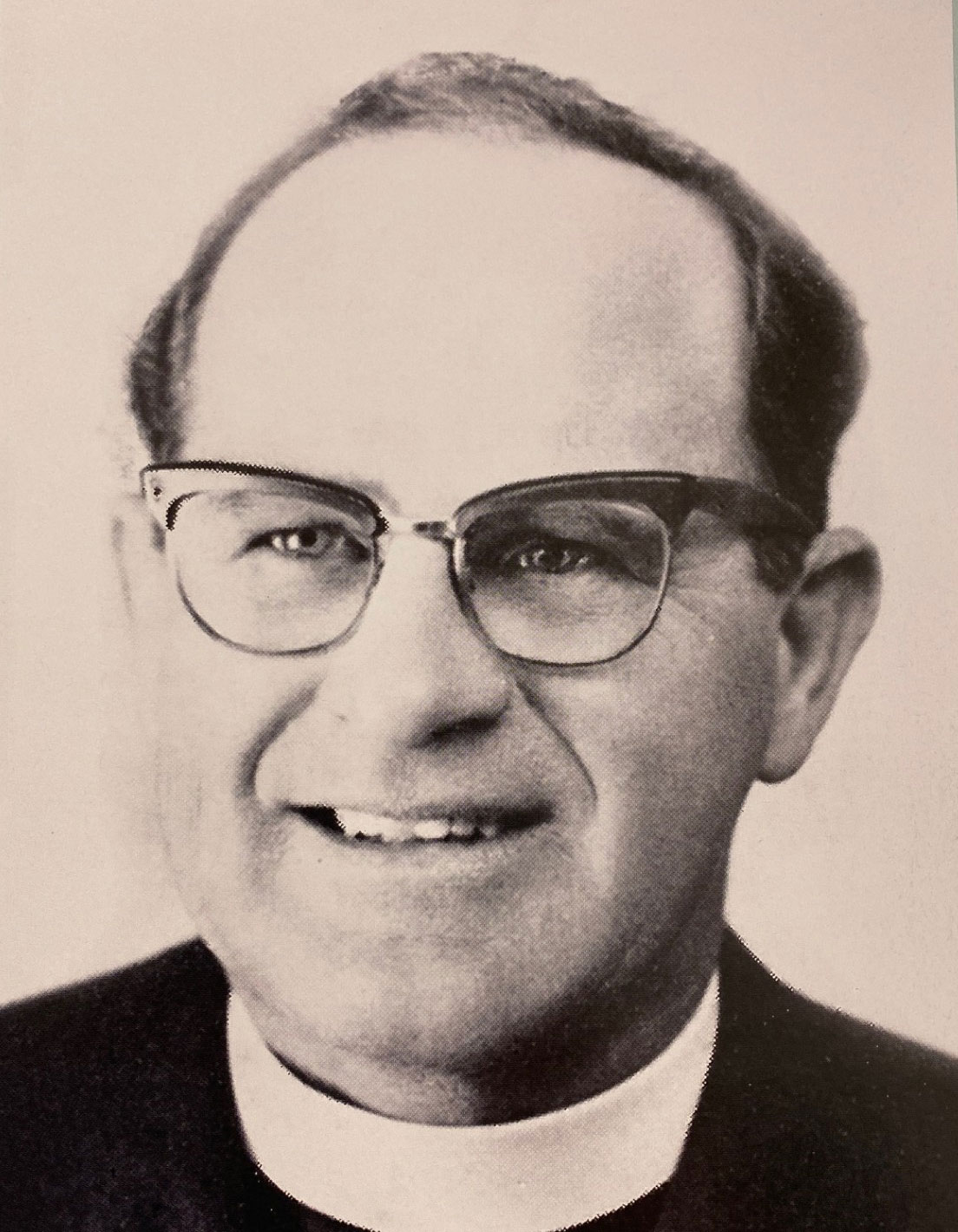
No single person can be credited with turning the dream of St Andrew’s Toowoomba Hospital into reality,…
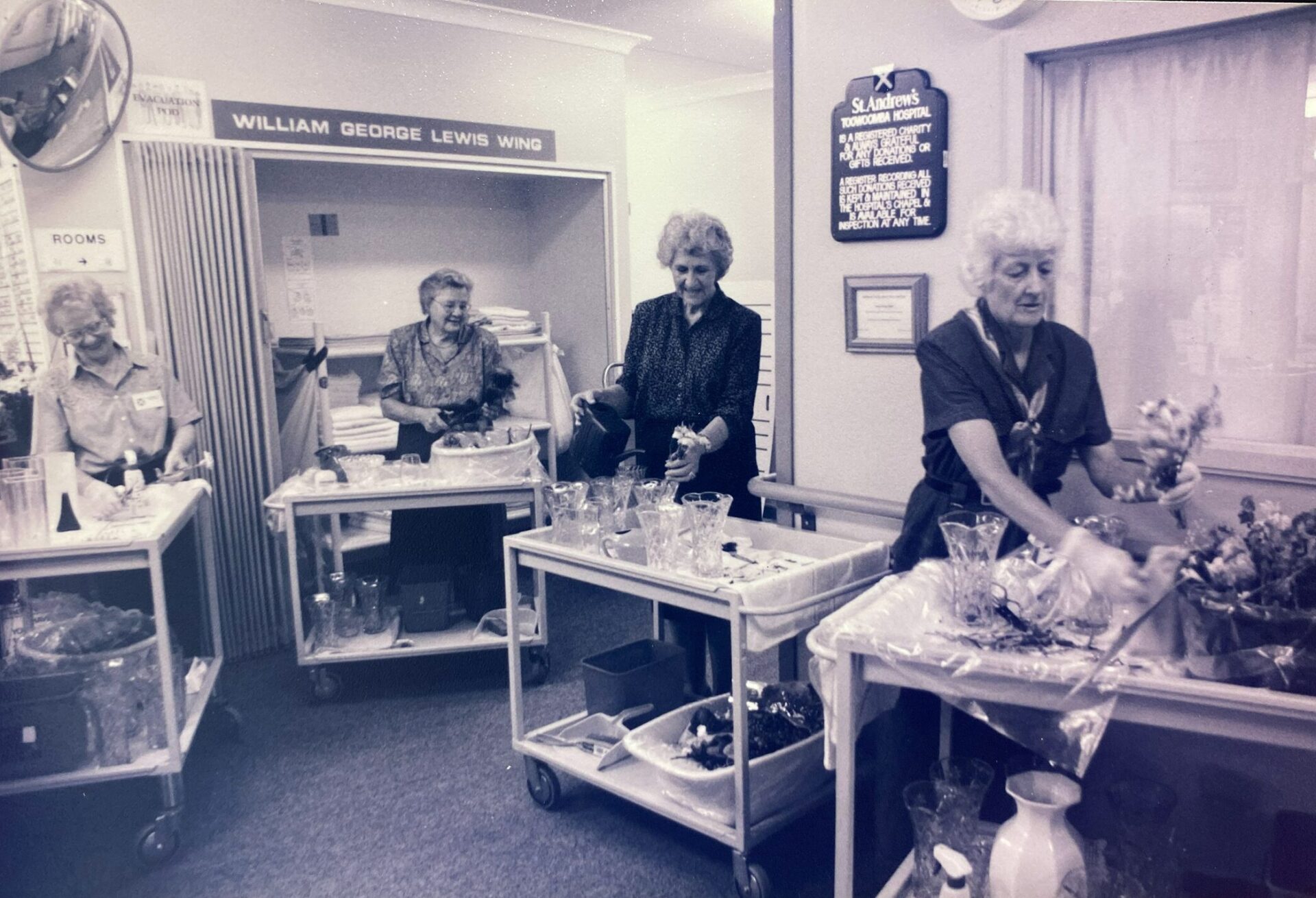
Long before the first patient arrived at St Andrew’s Toowoomba Hospital, a dedicated group of volunteers was…
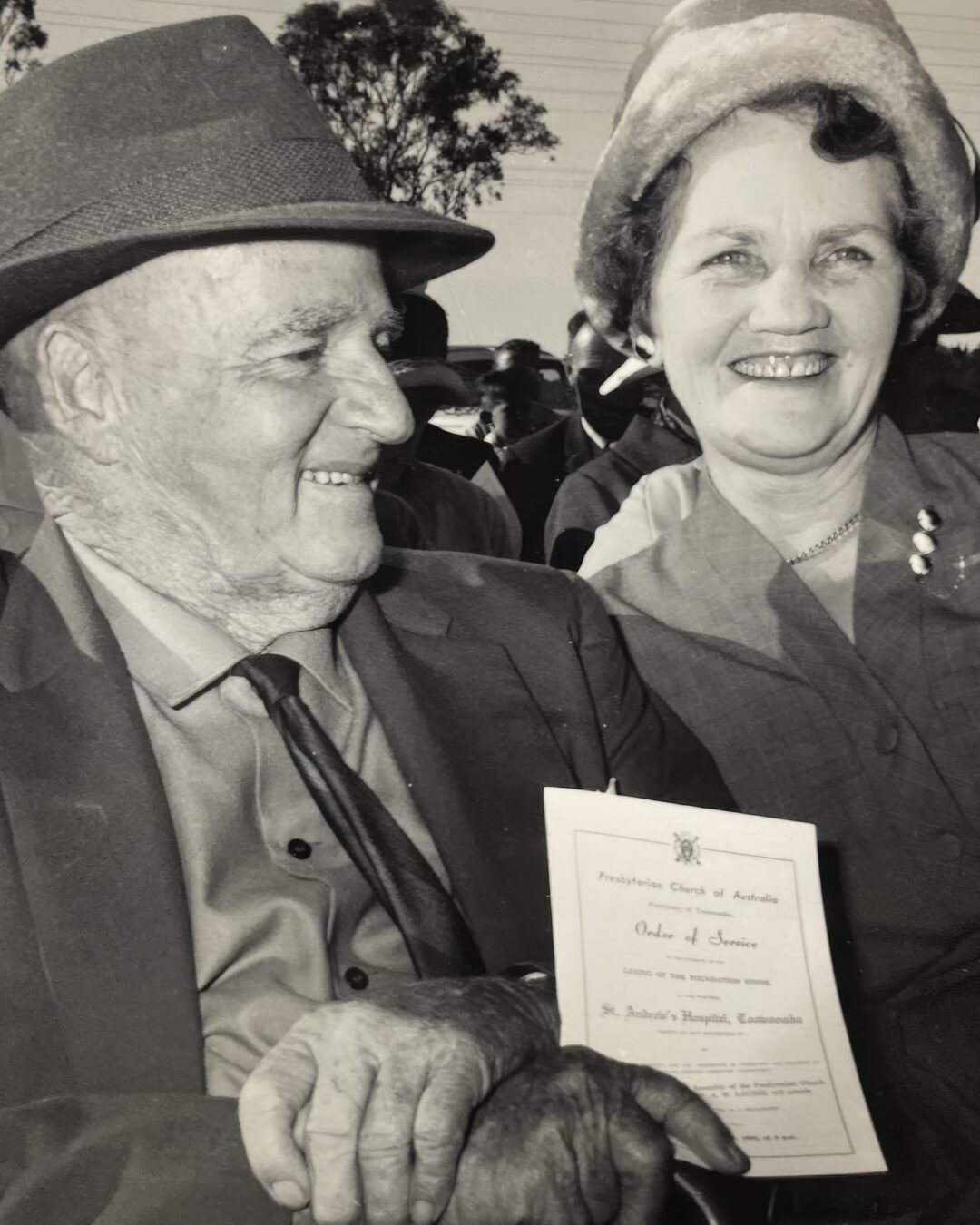
Few families have left a deeper mark on St Andrew’s Toowoomba Hospital than Jim and Rita Bain….
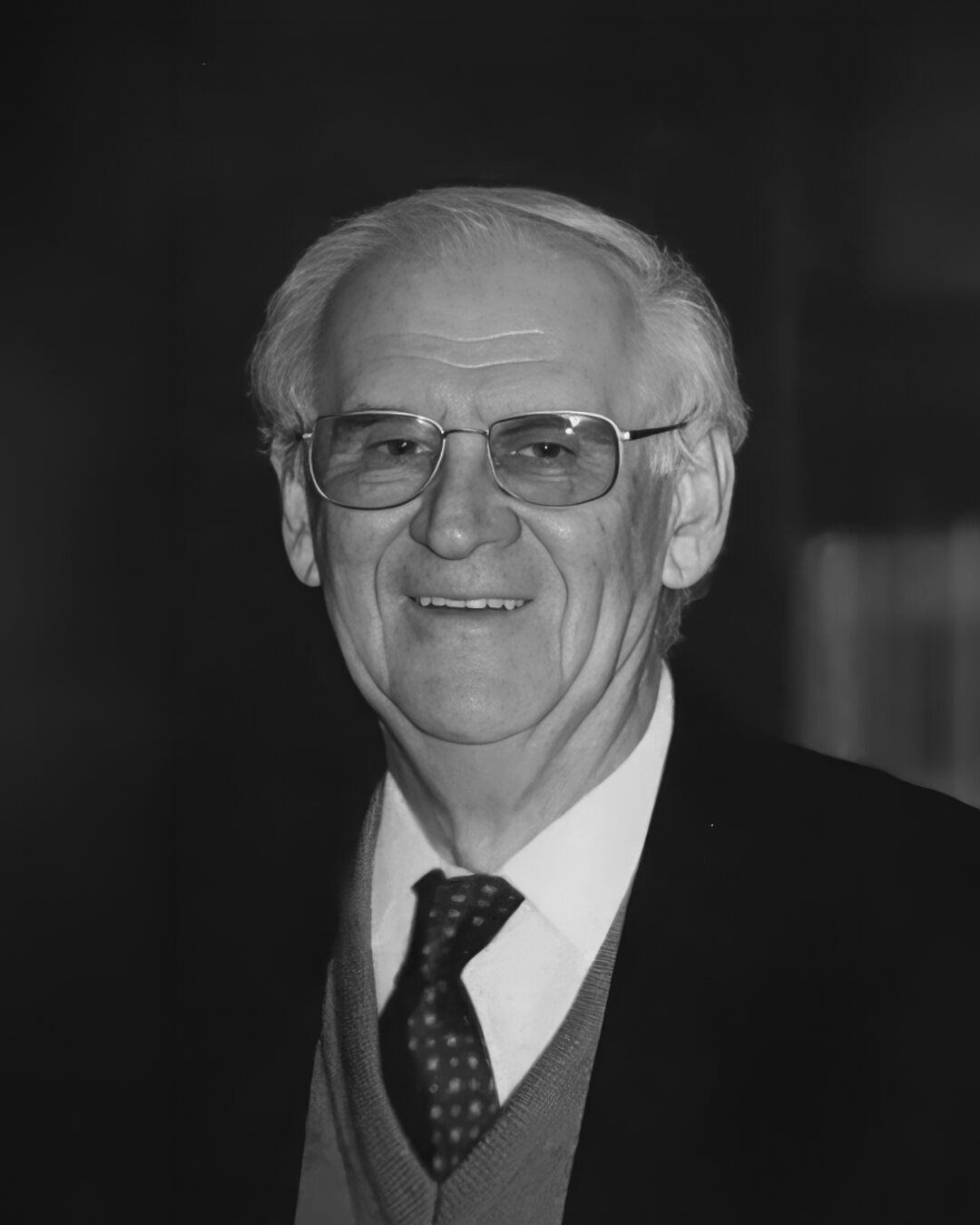
For most of St Andrew’s Toowoomba Hospital’s history, one name appeared again and again. Allan Tregithew “Treg”…
Not everyone believed the new hospital would succeed.
Some considered the site too far from the centre of Toowoomba and questioned whether doctors and patients would support it.
During the official opening, a guest became unwell and was carried into the hospital, becoming St Andrew's first patient.
The early days were full of challenges as efforts were made to establish St Andrew's as part of the Darling Downs healthcare landscape and overcome low patient numbers.
As services increased and patient numbers grew, new wings, theatres, specialist facilities and support services were added. Each expansion reflected the same goal: providing more care for more people, closer to home.
Over six decades, St Andrew’s has evolved from a modest community hospital into one of regional Queensland's leading healthcare facilities.
Just four years after opening, St Andrew's faced one of its greatest challenges. Patient numbers were lower than expected and the hospital was operating at a loss, raising concerns about its long-term future. The years that followed required careful management, community support and a shared belief that the hospital could survive and grow.
As patient numbers gradually increased and more doctors began using the facility, St Andrew's became an increasingly important part of the Darling Downs healthcare landscape. What had once been considered a bold experiment was steadily earning the confidence of the community.
A significant milestone was reached when St Andrew's was incorporated under Letters Patent, establishing a formal governance structure that would guide the hospital through future decades of expansion. The move provided a stronger foundation for long-term planning and reflected the hospital's growing maturity as an organisation.
Mary Bennett was appointed as the hospital's second Matron, after Myra Blanch's retirement. Arriving at a time of increasing demand, she inherited a small but growing hospital and would go on to play a major role in shaping its culture and guiding its expansion through the 1980s and beyond.
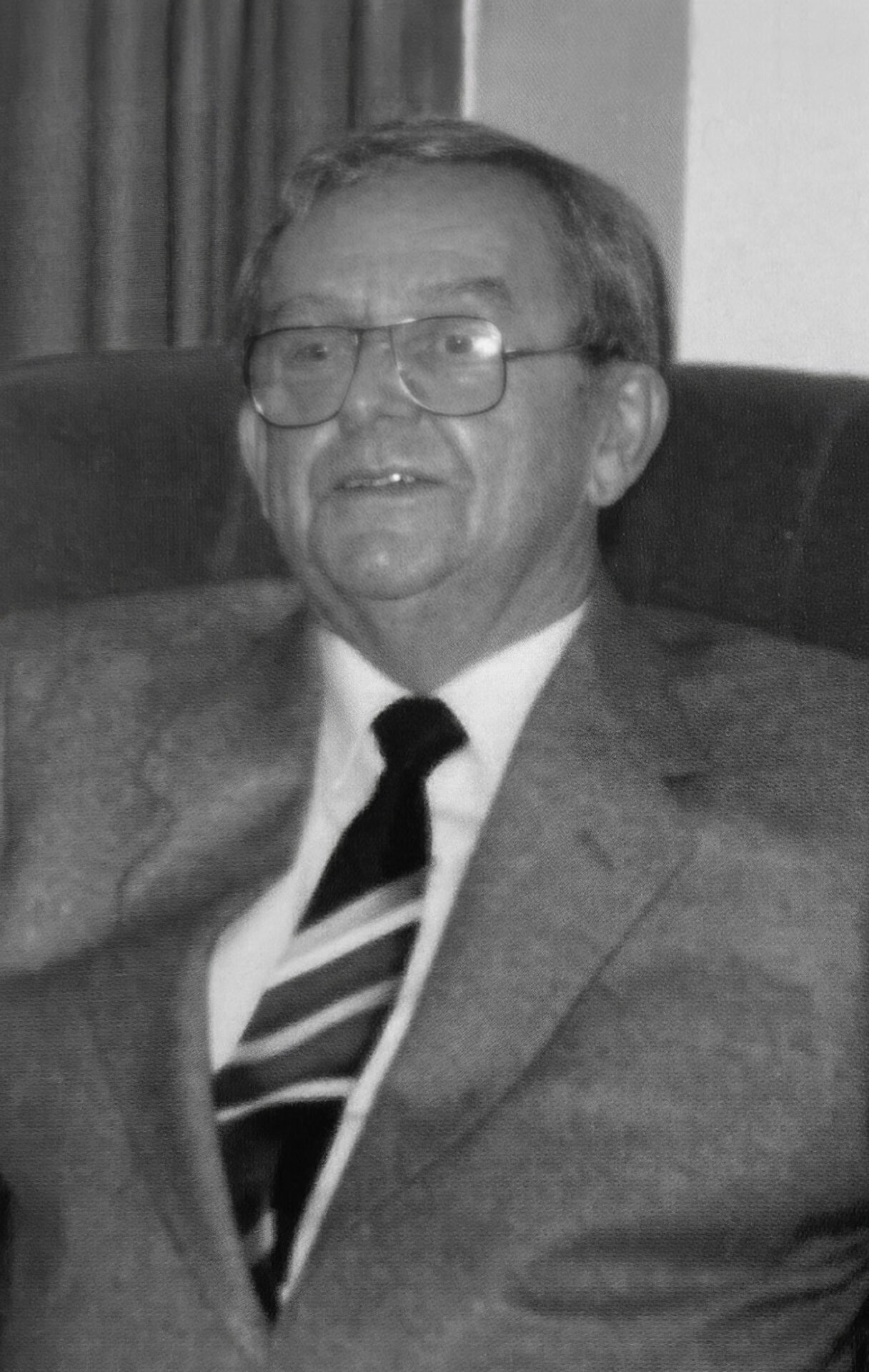
As the Hospital’s first Secretary, and later Chief Executive Officer, Col Roberts provided the steady administrative leadership…
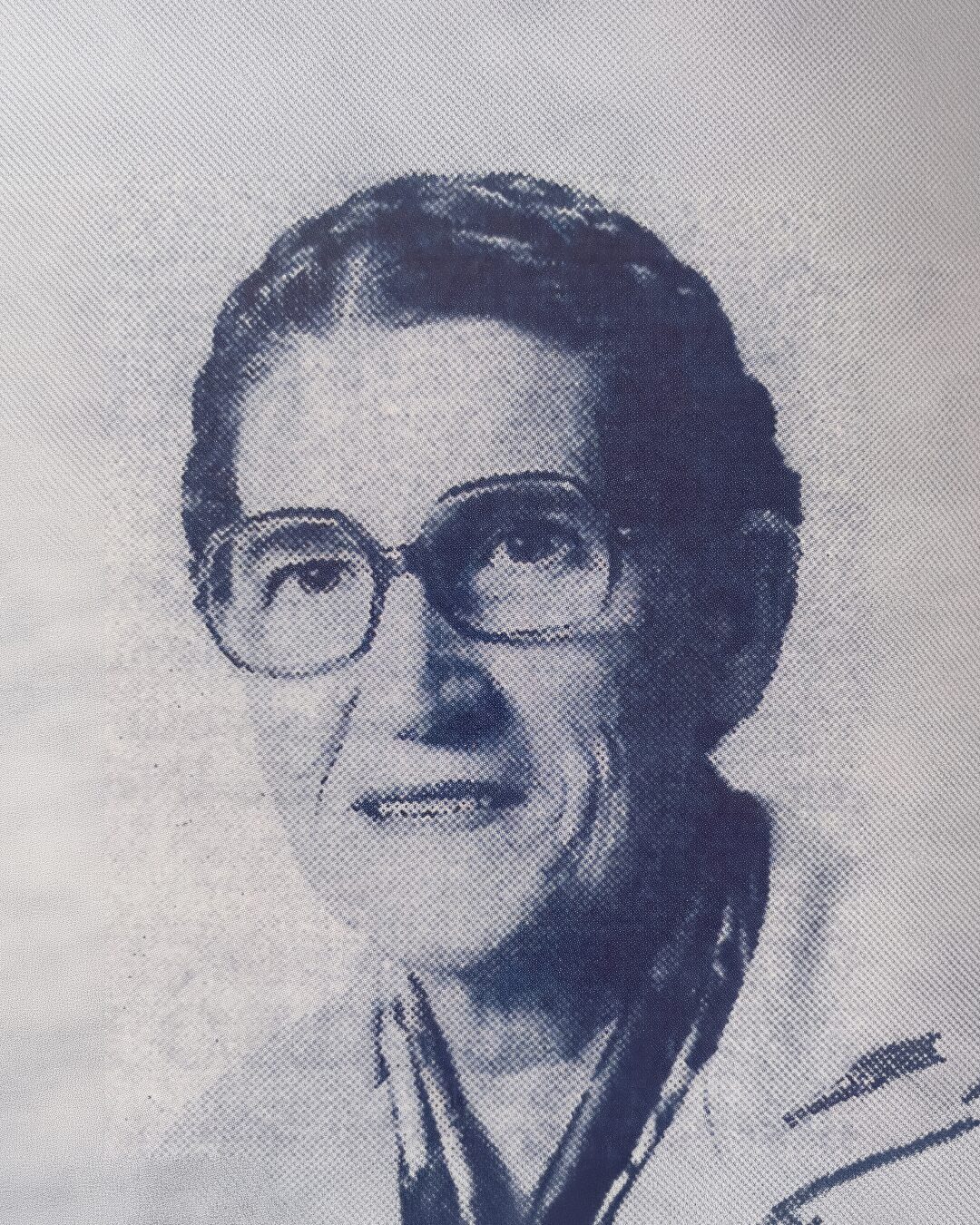
When St Andrew’s Toowoomba Hospital opened in July 1966, Cecilia Aitchison was already helping prepare the new…
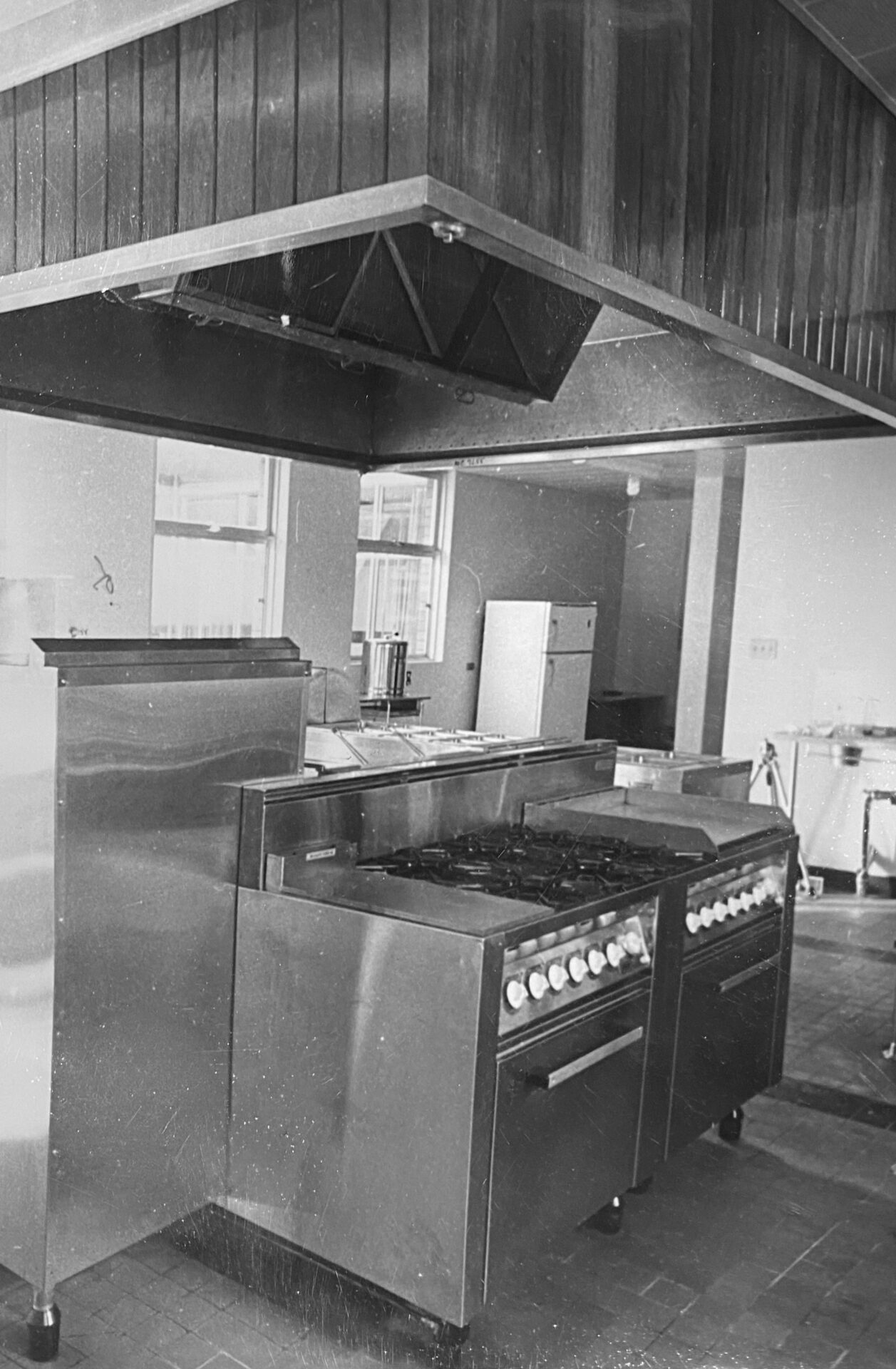
When St Andrew’s Toowoomba Hospital opened in July 1966, it was little more than a new building…
When St Andrew’s Toowoomba Hospital opened in July 1966, it was a modest facility with two wings,…
As patient numbers grew, creating space became an art form.
Nurse Jean Sizer became so skilled at finding room for extra beds that colleagues jokingly awarded her a "Diploma in Furnitology".
Hospital growth often outpaced available space. At different times, beds were placed in areas such as the chapel and even the flower room to accommodate demand.
Throughout the 1980s, St Andrew’s entered a period of significant growth and transformation. New services, technologies and facilities expanded the hospital’s ability to care for the growing needs of the Darling Downs community.
Major redevelopment projects increased bed capacity, added new operating theatres, and transformed the hospital campus. By the end of the decade, St Andrew’s had grown into a larger and more capable healthcare facility, laying the foundations for future specialist services, including dedicated cancer care.
When Mary Bennett took over from Myra Blanch, she inherited a hospital that was growing rapidly. Later reflecting on her early years, she recalled periods of overcrowding when beds had to be placed in the chapel, the flower room and other available spaces. The growing demand made it clear that St Andrew's would soon need to expand.
A 20-bed extension opened on November 30, bringing the total number of beds to 62
St Andrew's installed Toowoomba's first CT Scanner, bringing advanced diagnostic imaging to the region. For the first time, patients could access this technology locally, reducing the need to travel elsewhere for specialist investigations.
The Dell Ross Memorial Library (named after long-serving Sister Dell Ross) was established.
The Hospital celebrates its 20 year anniversary.
Toowoomba's first Nuclear Medicine Unit is established at St Andrew's, another major step forward in diagnostic capability. As healthcare became more specialised, St Andrew's continued to invest in services previously unavailable to the local community.
A period of significant redevelopment began. Two new operating theatres were completed at a cost of more than $1 million, increasing the total number of theatres to four. Construction also commenced on a major expansion that would add new wards, a foyer and administration facilities. During this period, Col Roberts retired after more than 21 years with the hospital, having served since its opening in 1966. He was succeeded by Luke Hughes, whose leadership would help drive the hospital through more than a decade of growth and development.
Queensland Premier Mike Ahern officially opened the Hospital's new extensions. The project increased bed capacity to more than 100 beds and transformed the campus into a substantially larger and more capable healthcare facility. More than 500 people attended the opening, reflecting the growing importance of the hospital to the region.
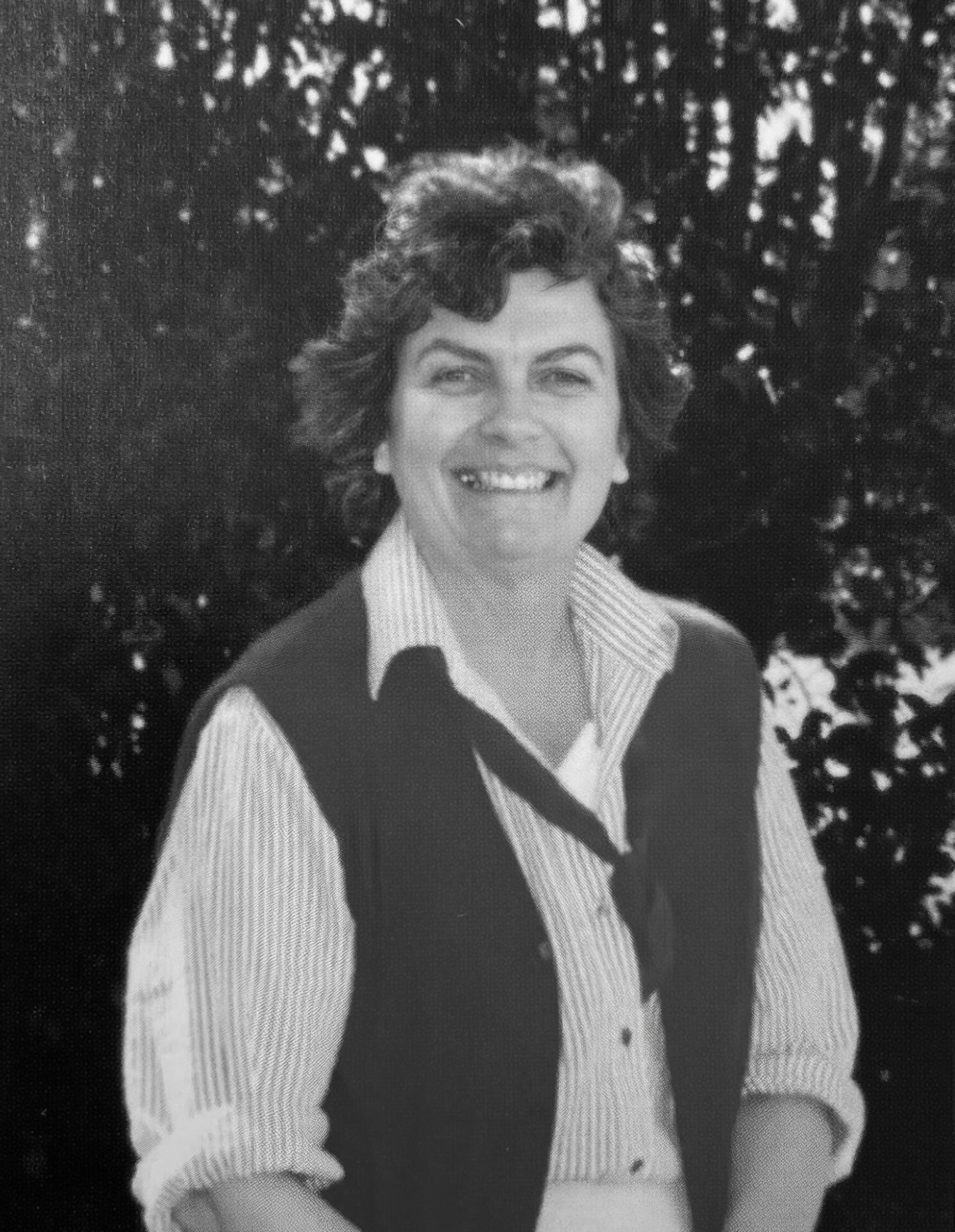
When Mary Bennett arrived at St Andrew’s Toowoomba Hospital, she joined a respected but relatively small organisation….
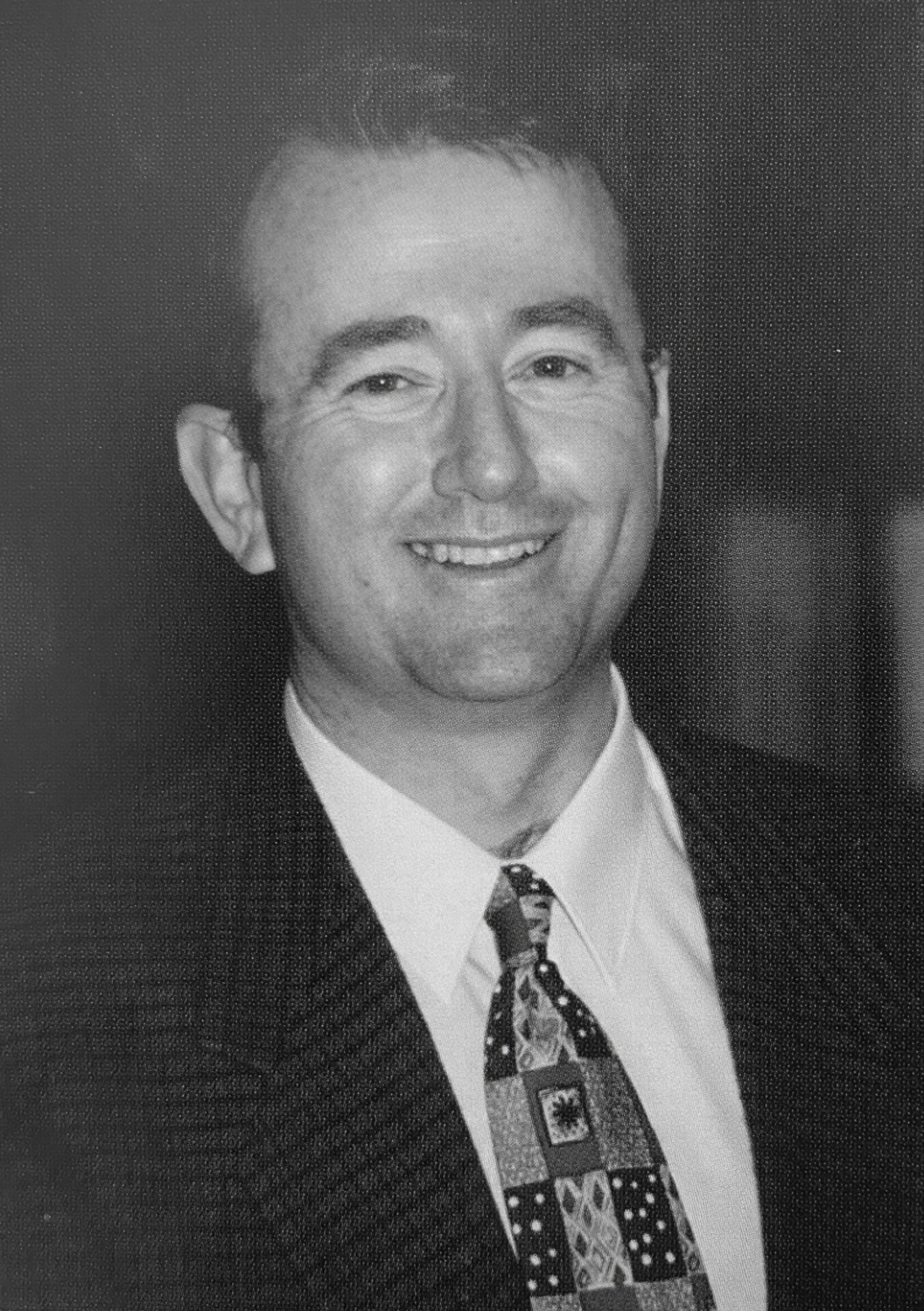
Luke Hughes became the third chief executive of St Andrew’s Toowoomba Hospital when he succeeded Col Roberts…
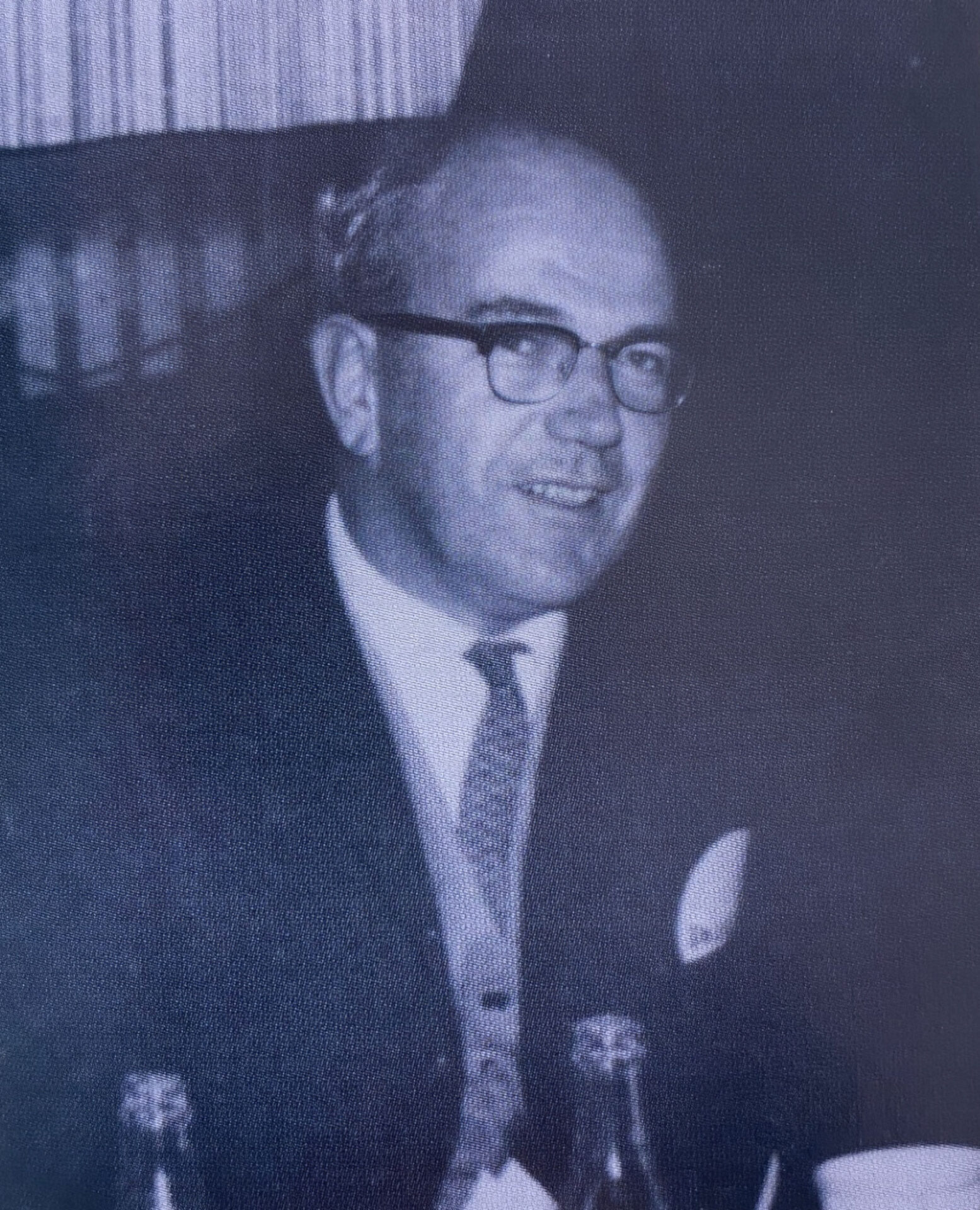
Dr Grant Dickson began working as an ear, nose and throat surgeon in Toowoomba in 1957, following…
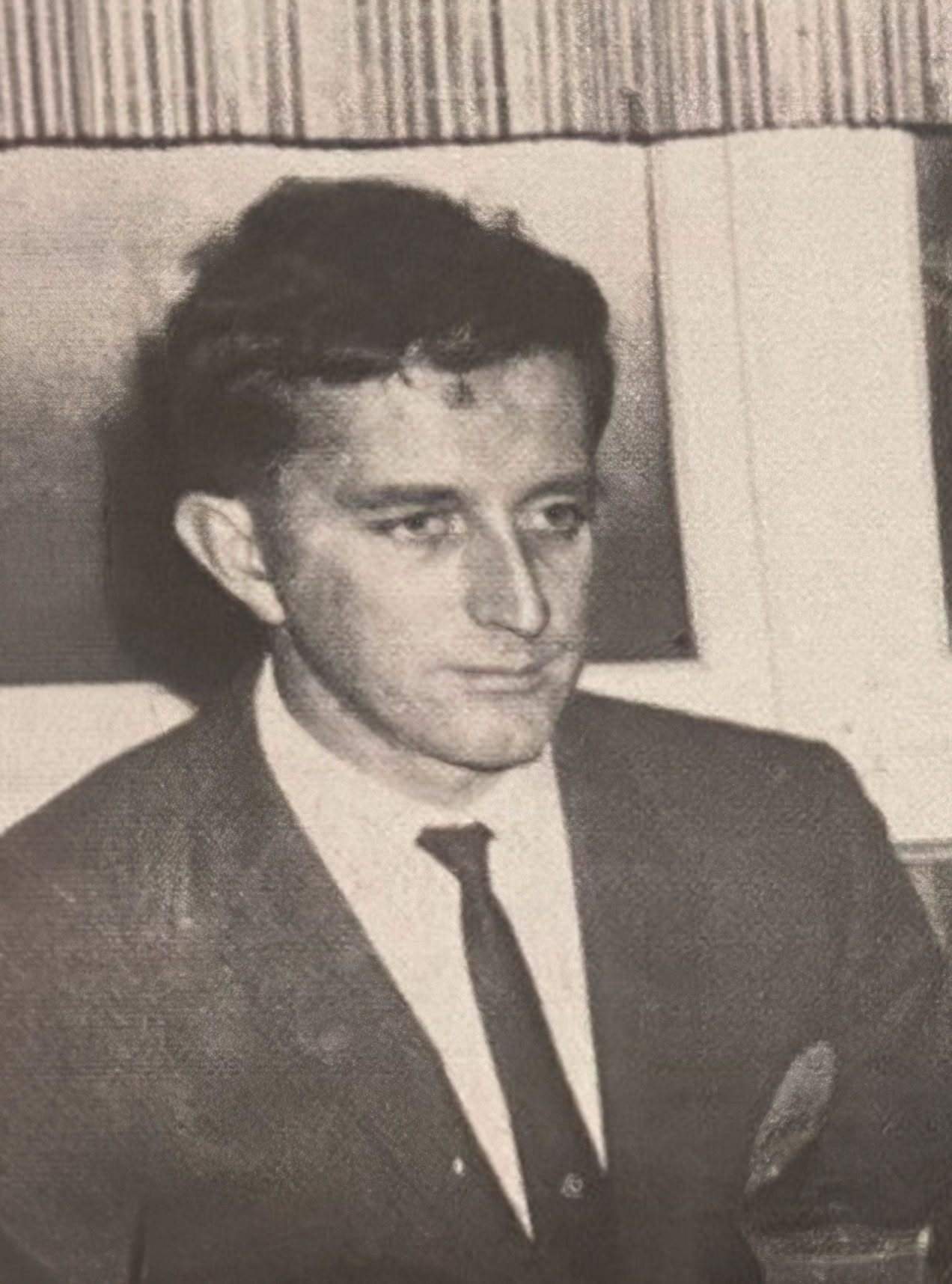
As a practising gynaecologist, Dr Ron Harbison saw firsthand the difficulty of securing private hospital beds in…
Long before today's digital systems, patient information was entered manually. One patient was recorded as returning from outer space!
Another patient was accidentally recorded as both male and pregnant — a mistake that didn't go unnoticed and quickly became part of hospital folklore.
Ray Fairweather recalls that when he started working in hospitals in 1972, "you could smoke anywhere, at any time." Staff members would smoke at their desks and patients would smoke in their beds.
In 1976, the board approved 'No smoking' notices to be displayed in the Hospital and the laws began to change to what we know today.
The 1990s were defined by growth, modernisation and a renewed focus on quality.
As St Andrew’s celebrated its 25th anniversary, the hospital reflected on a remarkable journey while preparing for the future.
Throughout the decade, significant investments were made in facilities, services and infrastructure. Combined with the adoption of a new mission and vision and continued redevelopment, the 90s strengthened the hospital’s reputation for delivering high-quality healthcare and laid the foundations for future specialist services.
As St Andrew's celebrated its 25th anniversary, the hospital took time to reflect on how far it had come since opening in 1966. Commemorative events, a special church service and a formal dinner brought together staff, doctors, supporters and community leaders to mark the milestone.
The East Ward was refurbished and extended.
With healthcare standards continuing to evolve, discussions began around pursuing formal accreditation. The process would require significant commitment from staff at every level of the organisation and would help shape the hospital's future approach to quality and continuous improvement.
St Andrew's achieved Accreditation Status from the Australian Council on Healthcare Standards, receiving the highest possible rating. For staff and leadership alike, it was recognition of decades of work to deliver high-quality healthcare services to the Darling Downs community.
The St Andrew's Day Hospital was officially opened on October 15.
The Hospital's operating theatre complex was officially named the Dr R.G. Harbison Operating Suite, honouring founding doctor Ron Harbison, whose vision and leadership had played a critical role in bringing the hospital into existence.
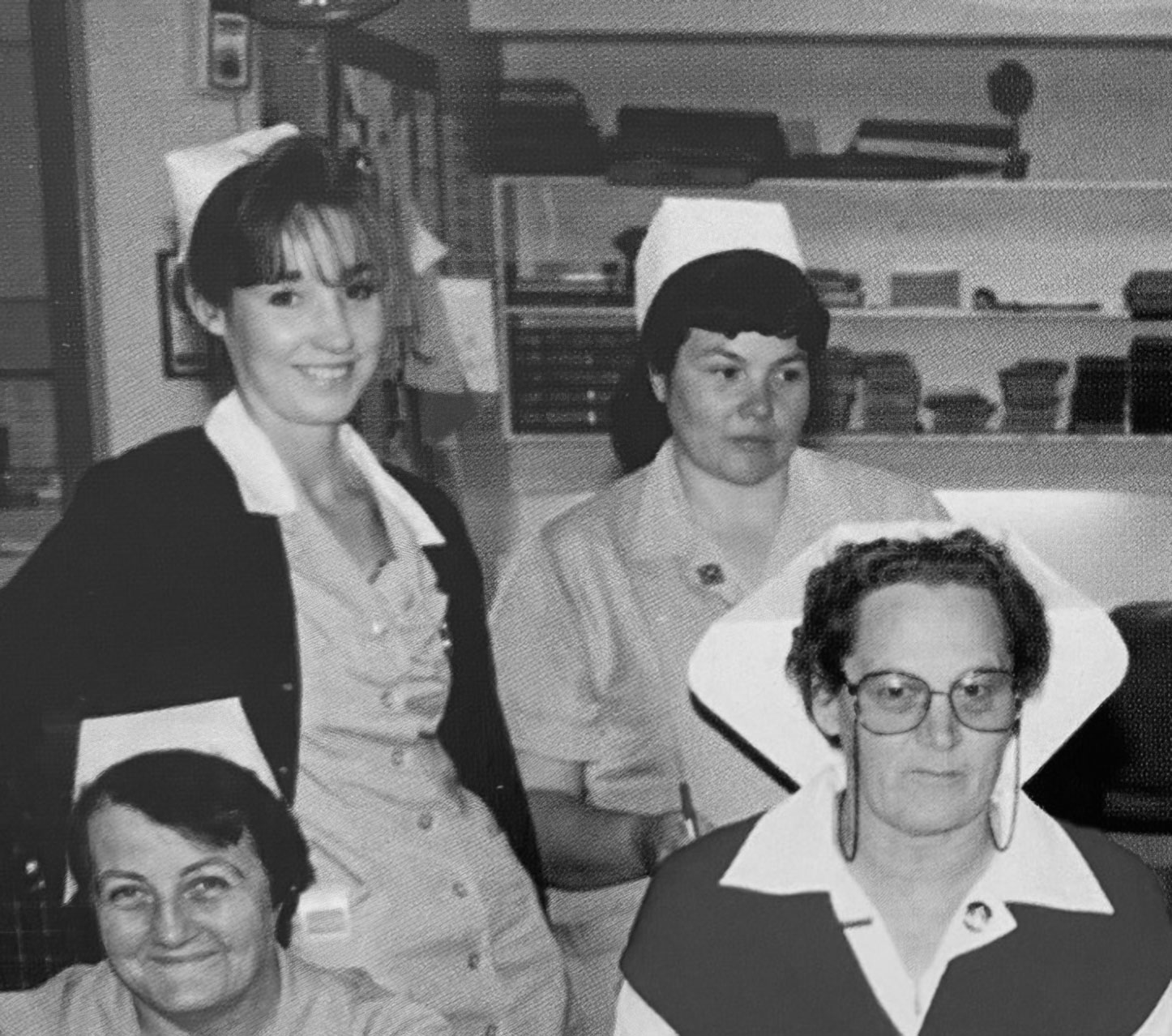
That same year, nursing traditions also began to change. After decades of service, the compulsory wearing of nurses' caps and veils was discontinued, marking a shift towards modern nursing practices.
The Hospital also established a sleep studies unit.
St Andrew's adopted a new mission and vision, centred on providing excellence in private healthcare through quality service in a friendly and professional environment. The changes reflected a growing focus on quality systems while maintaining the caring culture that had defined the hospital since its earliest days.
A new $1.8 million state-of-the-art laundry facility also opened, supporting future growth and improving operational efficiency across the hospital.
Major redevelopments of East Ward and Central Ward saw the growth in bed numbers rise to 129, necessitating expanded car parking as well.
As the physical footprint of the hospital increased, planning was already underway for new specialist services that would shape the next chapter of care.
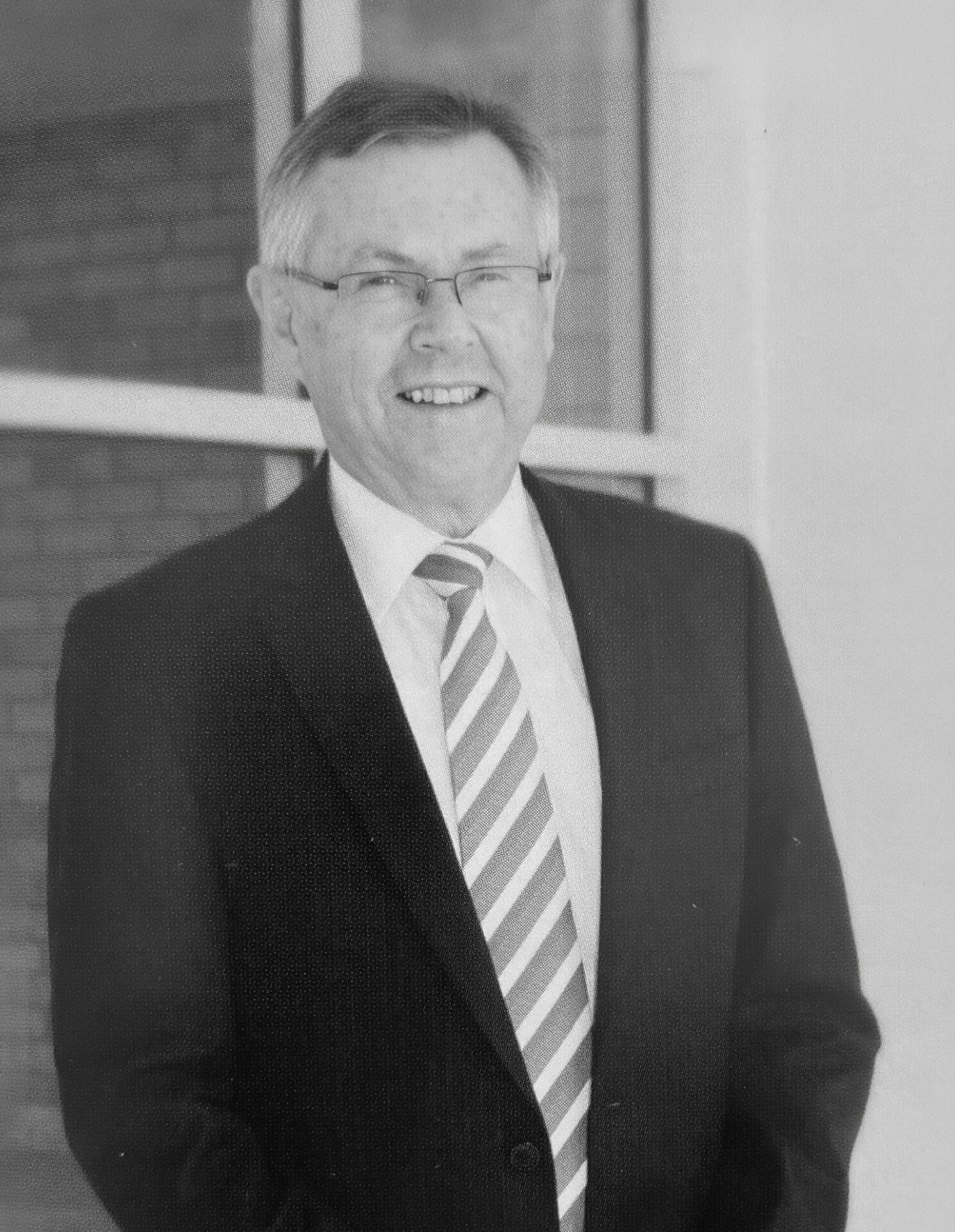
When Ray Fairweather became Chief Executive Officer in July 2000, St Andrew’s was already a successful regional…
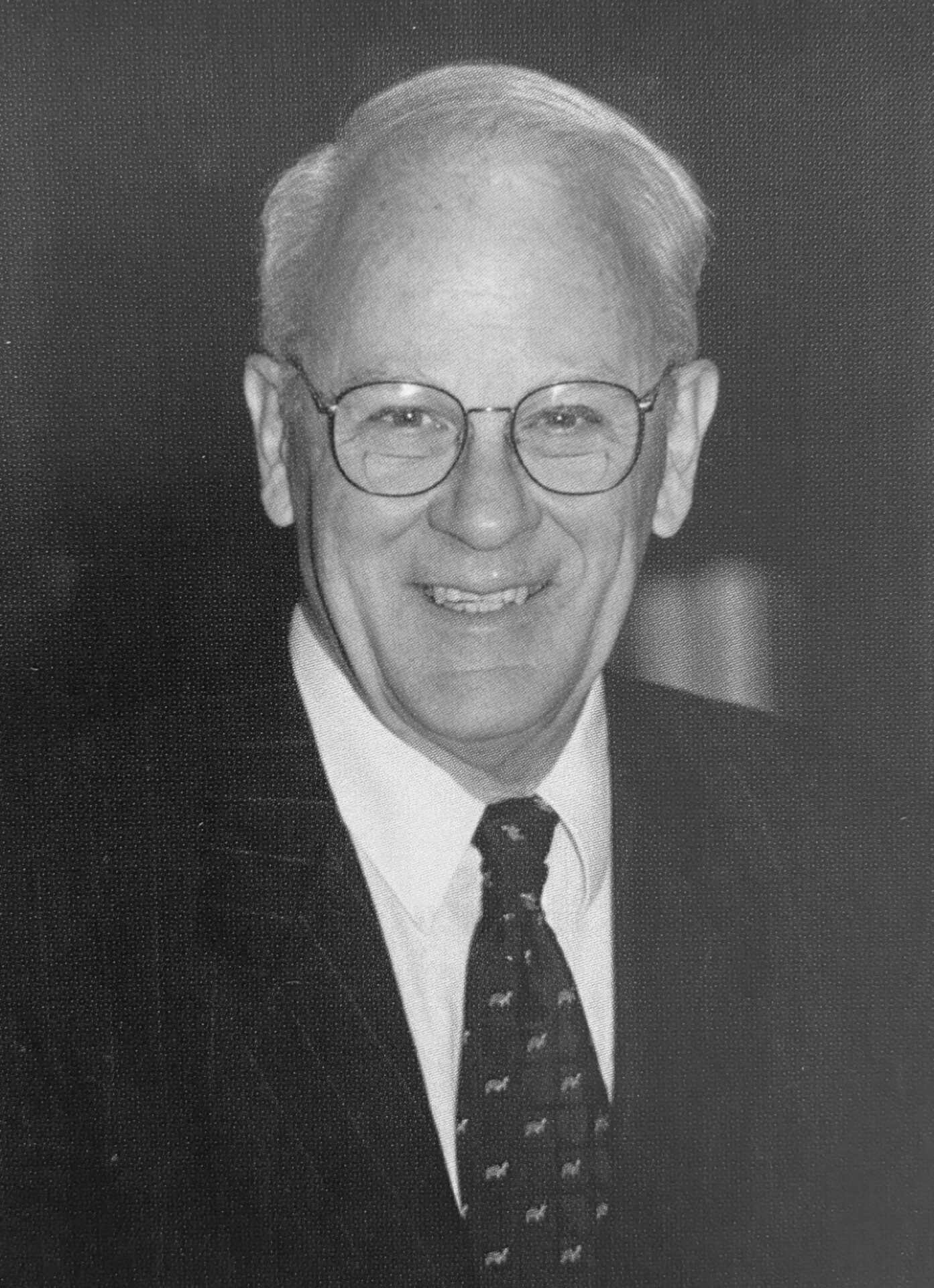
When Dr Laurence “Ned” Kelley stepped in to oversee St Andrew’s Toowoomba Hospital’s first accreditation survey in…
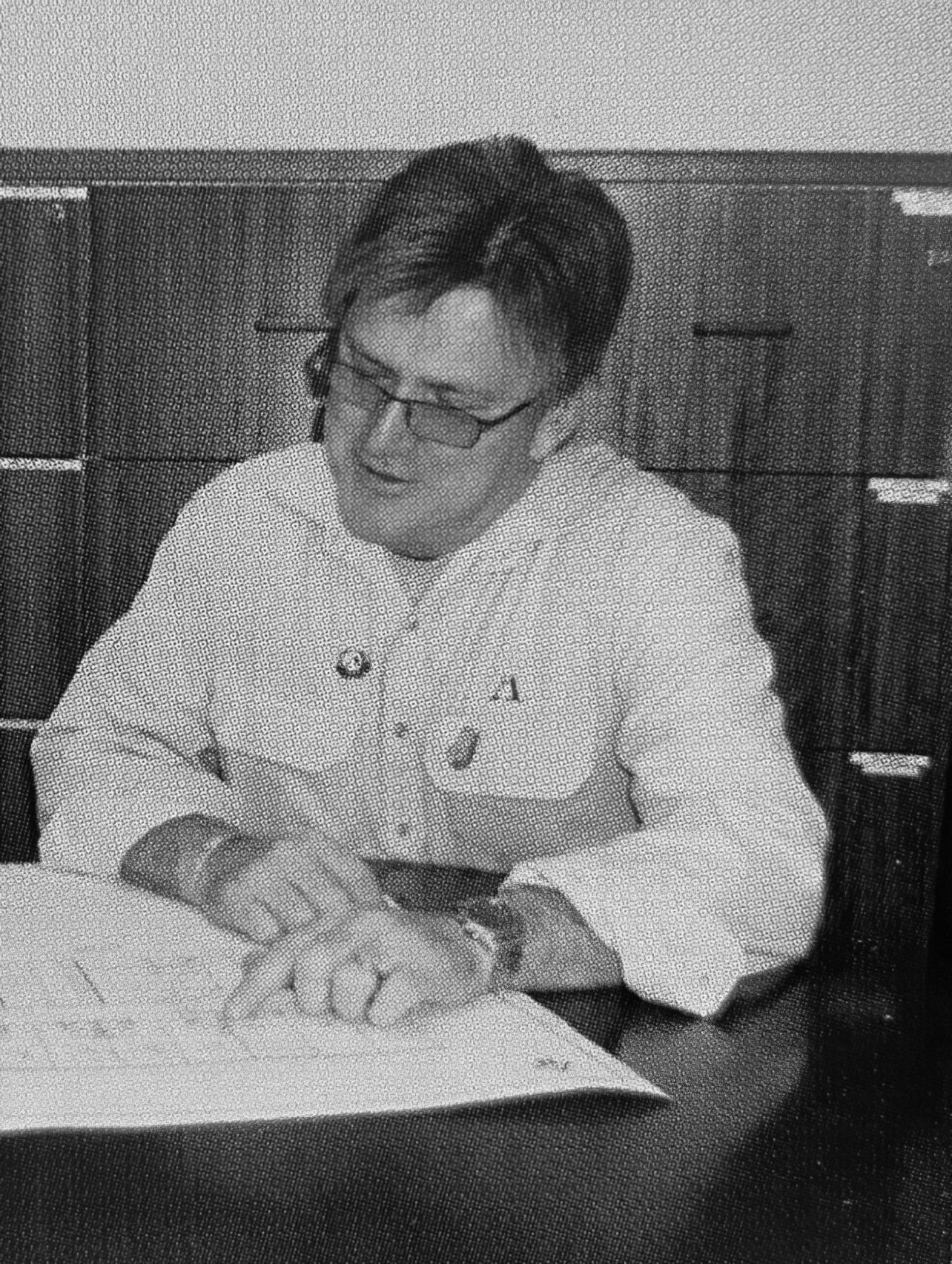
Kenn Zerner has been an important figure in ensuring St Andrew’s Hospital is ready for the future….
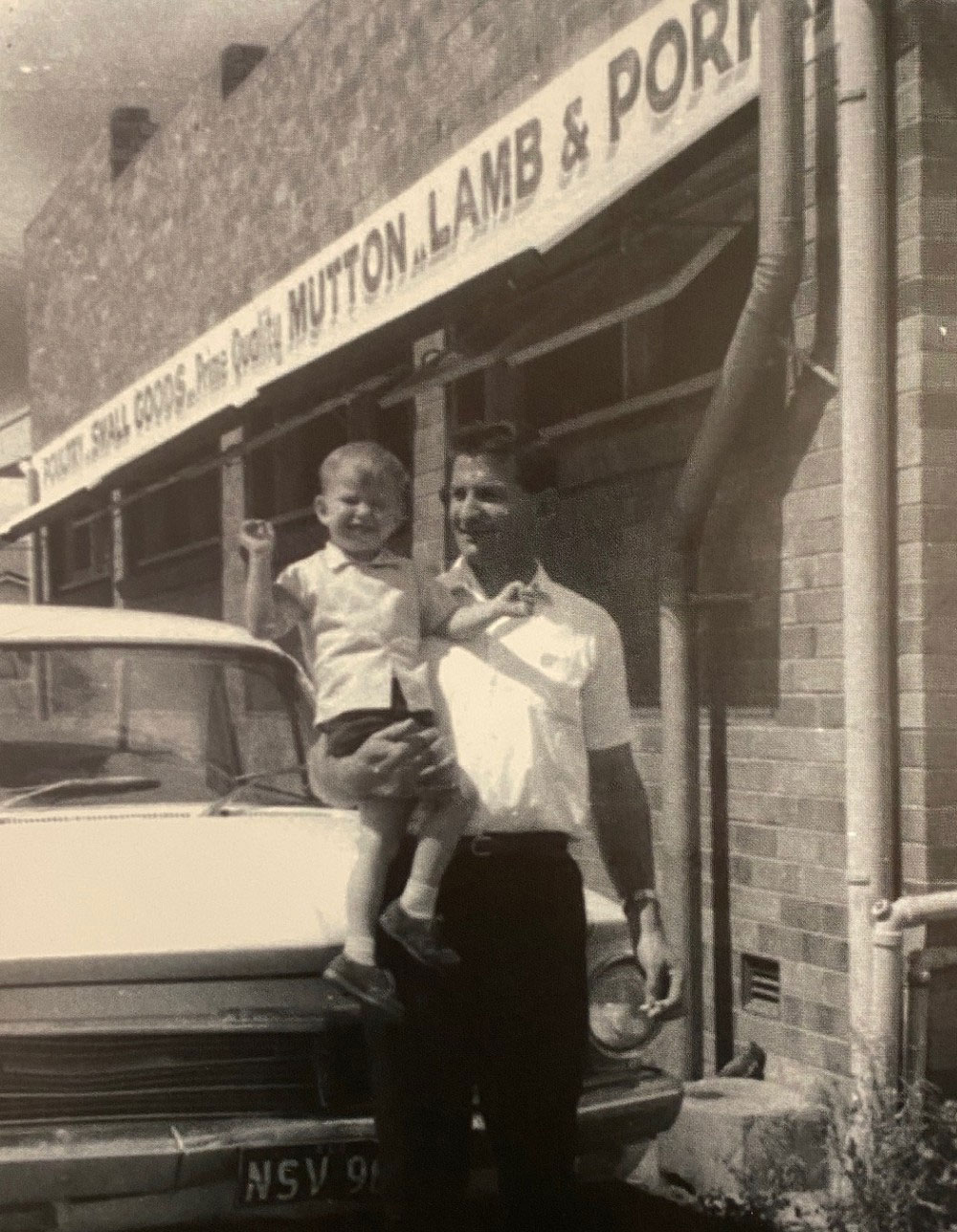
The butcher who became a volunteer For almost three decades, Max Wilkins’ connection with St Andrew’s Hospital…
When local butcher Max Wilkins first began supplying meat to St Andrew's in 1966, he asked what patients would be having for Christmas lunch.
The response from the kitchen: "They have Christmas dinner here every day!"
On one occasion, staff were called to investigate water pouring into the hospital foyer.
The culprit was a hose, tucked under the roof to hold it in place, but the water had overflowed into the interior instead!
The water was quickly turned off and the damage repaired.
The 2000s brought some of the most significant advances in St Andrew’s history, dramatically expanding access to specialist healthcare across the Darling Downs.
A defining achievement came with the development of the St Andrew’s Cancer Care Centre and the region’s first inland radiotherapy service. When the first patient received treatment in 2007, it marked a major milestone for regional healthcare and fulfilled a long-held vision of providing world-class cancer care closer to home.
The turn of the century marked the beginning of a significant new chapter for St Andrew's. The Hospital opened Toowoomba's first private Intensive Care Unit, allowing more complex surgery and critical care to be delivered locally.
The region's first private Mental Health Unit also opened, expanding access to specialised services for Darling Downs patients.
After 17 years as Chief Executive Officer, Luke Hughes retired. His successor, Ray Fairweather, commenced as CEO in July, beginning a period of significant service expansion and investment that would shape the Hospital's future.
The John Stedman Cancer Centre opened, continuing the legacy of local businessman John Stedman, whose fundraising efforts inspired overwhelming community support. For the first time, patients were able to access dedicated oncology and chemotherapy services in a purpose-built environment closer to home.
Recognising growing demand for renal services across the region, plans were approved for a dedicated dialysis unit. The project reflected the Hospital's commitment to expanding specialist care and reducing the need for patients to travel for treatment.
Building on the legacy of the John Stedman Cancer Centre, plans began for what would become one of the most significant developments in the Hospital's history: a dedicated radiotherapy service. At the time, many cancer patients from the Darling Downs faced regular trips to Brisbane for treatment, often while coping with the physical and emotional challenges of cancer.
Construction commenced on the St Andrew's Cancer Care Centre, supported by an $8.6 million Federal Government grant. The development included the region's first inland radiotherapy facility, giving patients access to world-class cancer treatment closer to family, friends and support networks.
The first patient was treated in the new radiotherapy unit. For many Darling Downs residents, it marked the end of lengthy and exhausting travel to Brisbane for treatment and represented a major advancement in regional cancer care.
Alongside the new Cancer Care centre, St Andrew's also opened a new Medical Centre and retail pharmacy.
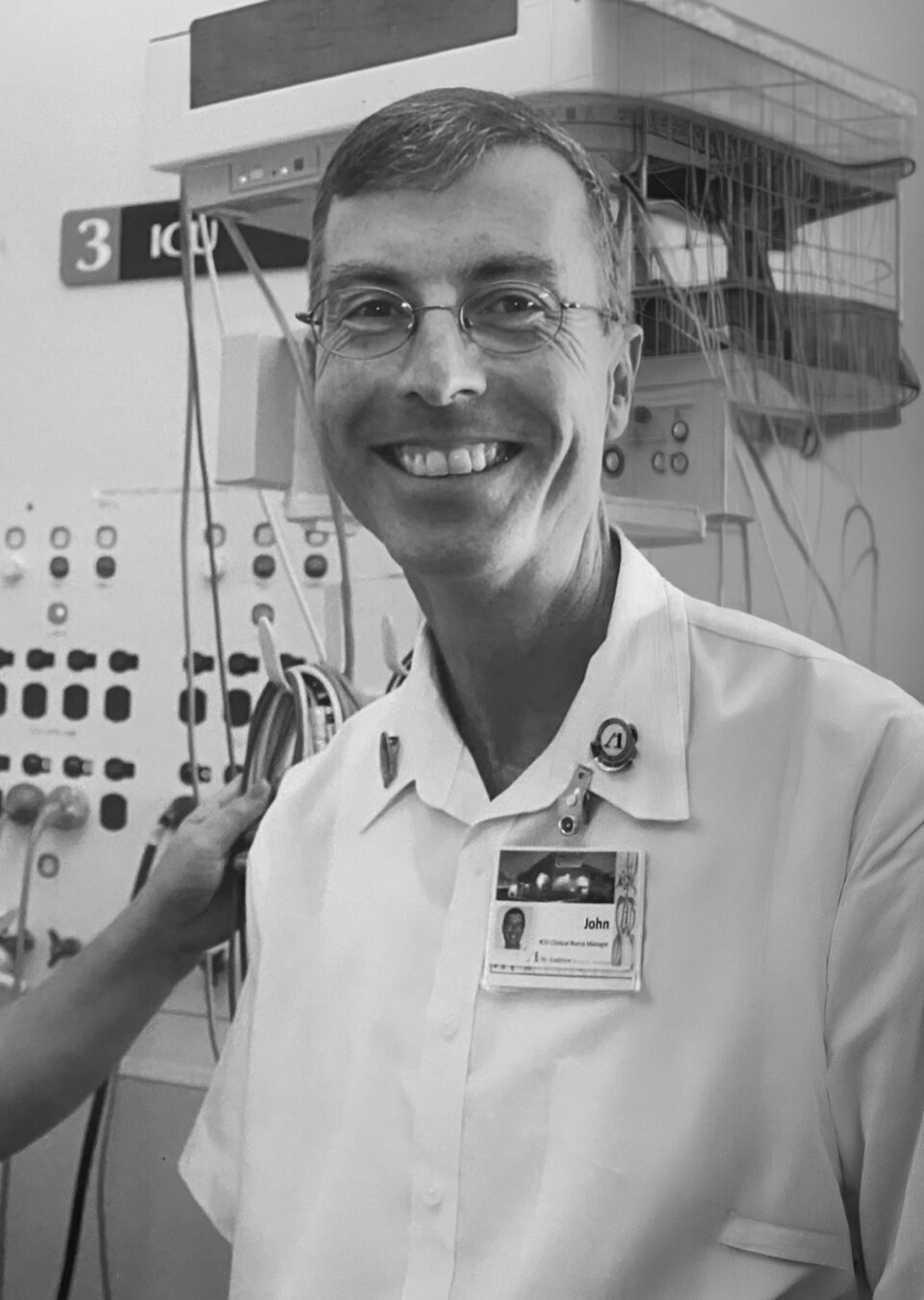
“The first involvement I had with St Andrew’s Toowoomba Hospital was in 1980, at ten years of…
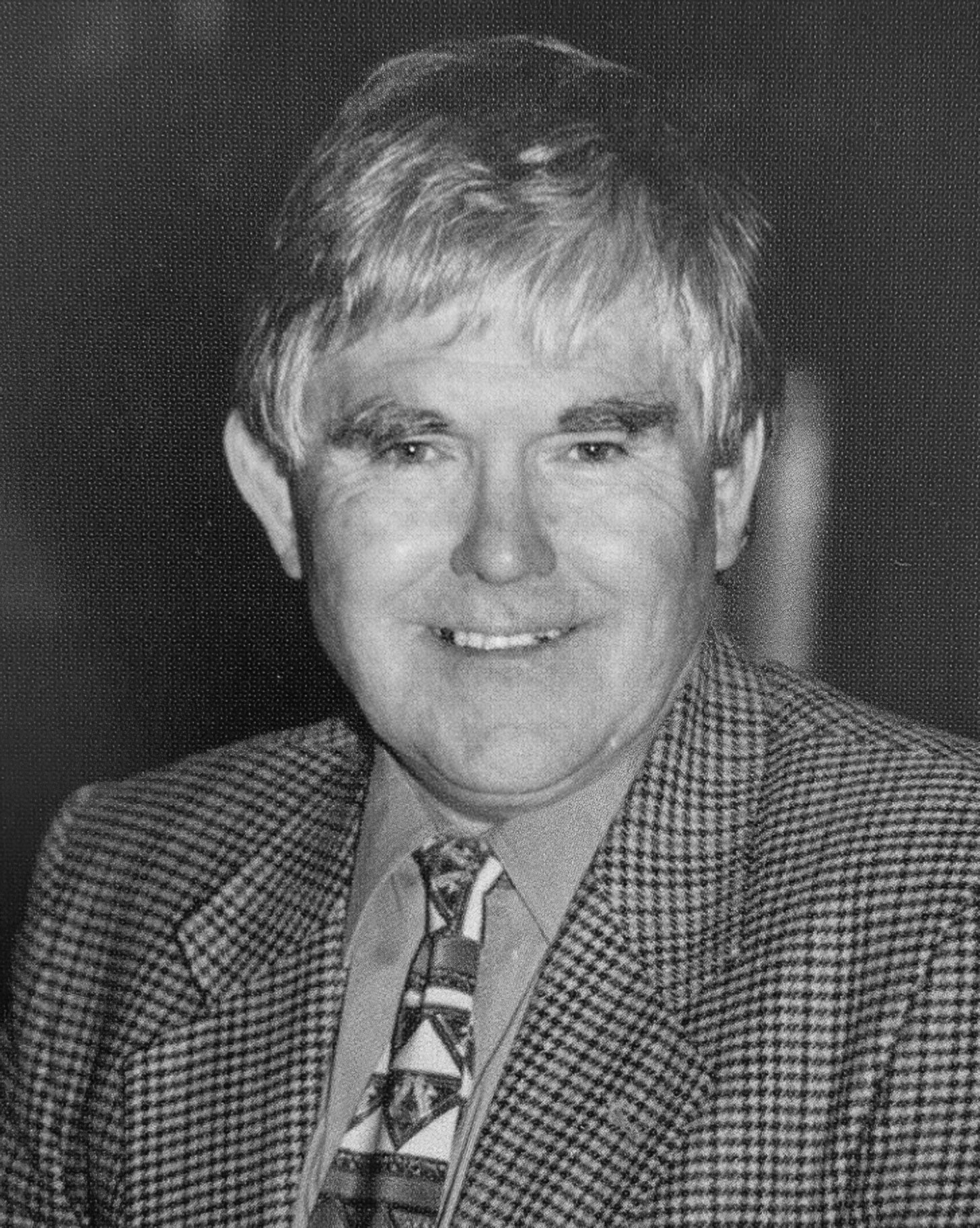
For 37 years, Dr John “Jock” Lambie played an important role in shaping the future of St…
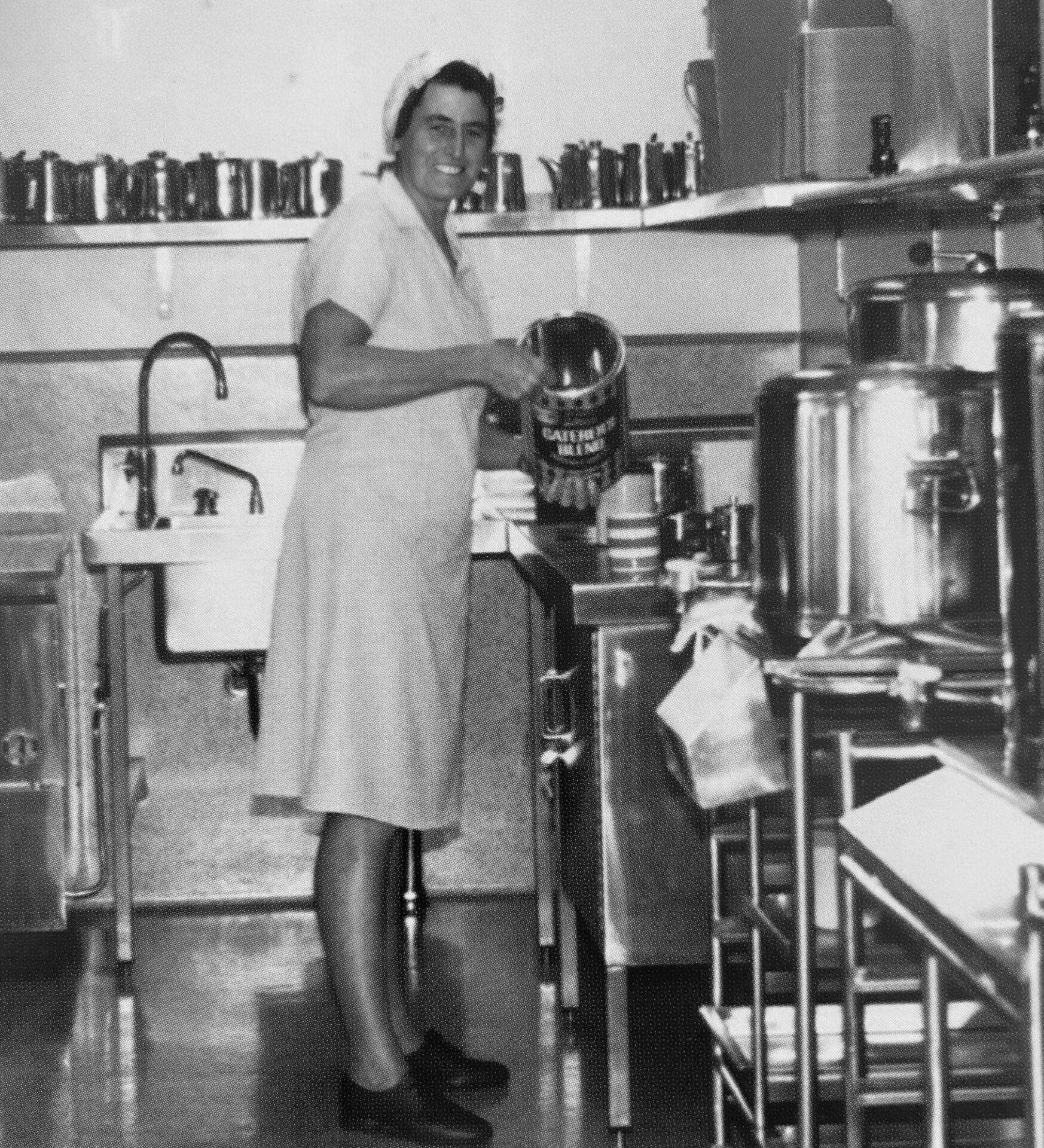
The history of St Andrew’s Toowoomba Hospital is often told through the achievements of its founders, doctors,…
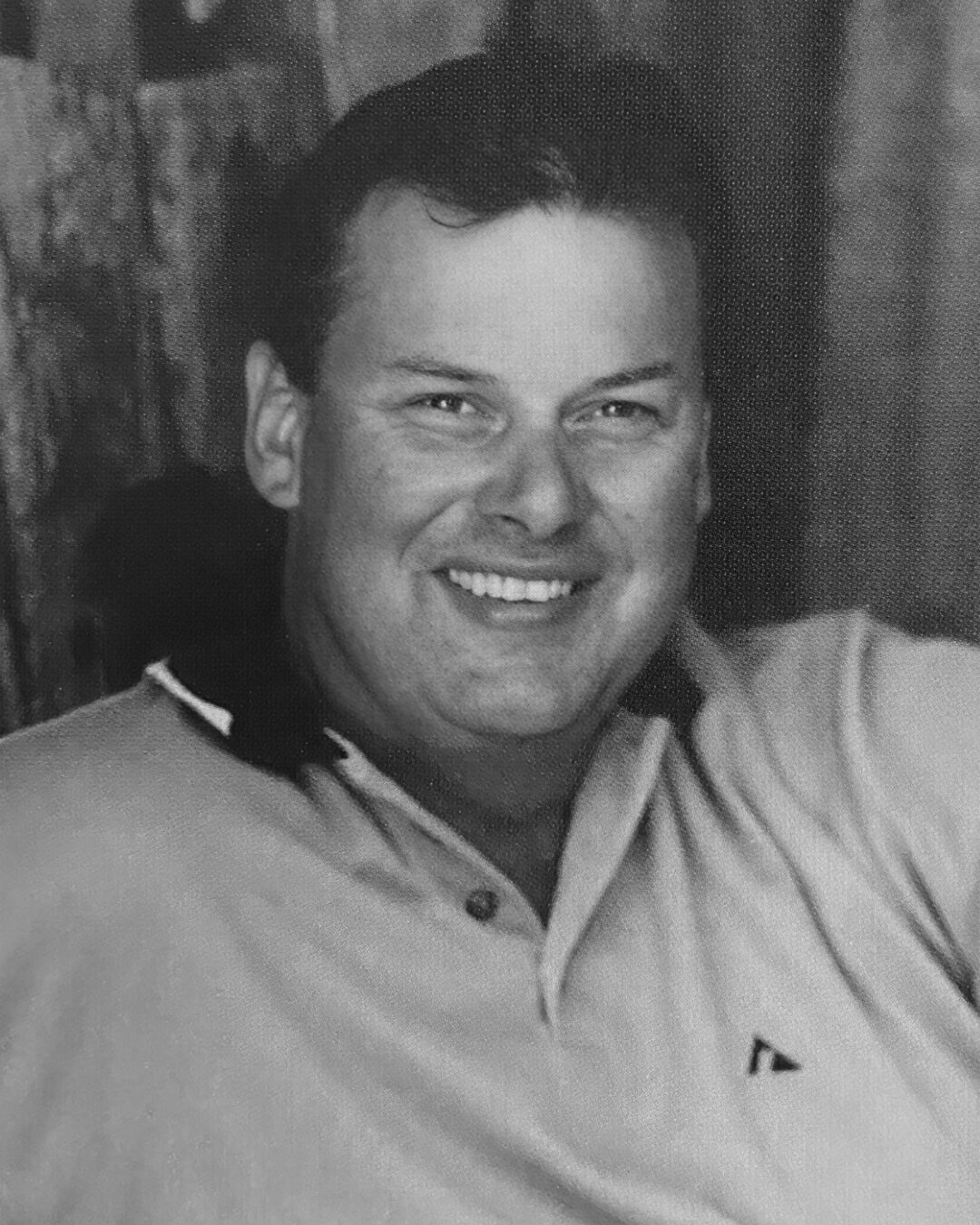
The man who changed cancer care in the Darling Downs When John Stedman was diagnosed with cancer…
Treg Rowe was told by experts in Sydney that his committee members were dangerously unqualified for the task of running a hospital and that they should abandon the project before it becomes a disaster.
Instead, he bought a textbook about running a hospital and learned as he went.
Before electronic banking, hospital wages were collected from the bank in cash and counted into individual pay envelopes.
After a local payroll hold-up elsewhere in town, police advised staff to take different routes back to the hospital each fortnight.
Throughout the 2010s, St Andrew’s continued to evolve, combining advanced technology, specialist expertise and modern facilities to deliver increasingly sophisticated healthcare services in the Darling Downs.
Major investments expanded treatment options across a range of specialties, ensuring local patients could access care that was once only available in larger metropolitan centres. From life-changing hearing procedures to robotic-assisted surgery and advanced diagnostic imaging, the hospital continued to push the boundaries of regional healthcare.
Driven by a commitment to innovation and excellence, St Andrew’s strengthened its position as one of Australia’s leading regional hospitals, helping more people receive the care they needed closer to home, family and community.
Continued investment in technology, specialist clinicians and modern facilities allowed St Andrew's to offer increasingly complex care close to home, ensuring residents of the Darling Downs could access world-class healthcare without travelling to metropolitan centres.
In this decade, the Hospital further expanded its specialist services through advanced hearing technologies, including Cochlear Implant and MED-EL Bonebridge procedures. These innovations provided life-changing treatment options for patients living with hearing loss and reinforced St Andrew's reputation as a leader in regional healthcare.
The Hospital celebrated more than four decades of service while continuing to expand specialist healthcare services. Although governance changes created a challenging period in the organisation's history, patient care and service delivery remained at the heart of the Hospital's mission.
Patient internet access is introduced and Queensland X-Ray installs a CT Scanner and MRI machine.
St Andrew's became the first regional hospital in Australia to introduce the da Vinci Surgical Robot, marking a major step forward in surgical capability. Robotic-assisted surgery provided patients with access to less invasive procedures, faster recovery times and improved outcomes without leaving the region.
A six-bed cardiac monitoring unit opened, followed by the EndoAlpha 3D ‘Blue Theatre’, a Hybrid Theatre, an expanded recovery ward, and installation of a PET/CT scanner.
Traditional nursing veils could be quite dramatic in motion. Jean Sizer later joked that hurrying along the corridor felt a little like being a "flying nun".
As the campus expanded, local builders donated a golf buggy to help transport patients and visitors around the site. It quickly became known as the "People Mover".
Sixty years after opening its doors, St Andrew’s continues to build on the vision that inspired its founders.
The story of the hospital is one of growth, innovation and community support, shaped by countless individuals who have contributed their time, expertise and care along the way.
As we look toward the future, St Andrew’s remains committed to delivering outstanding healthcare while continuing to evolve to meet the needs of future generations.
As a registered not-for-profit hospital, St Andrew’s Toowoomba relies on strong community support including donations to further strengthen our vital service offering.
Your donation to St Andrew’s Toowoomba Hospital will make a difference. Donations can be made for general or specific purposes.