Our team
Luke Hughes
Faces of our history
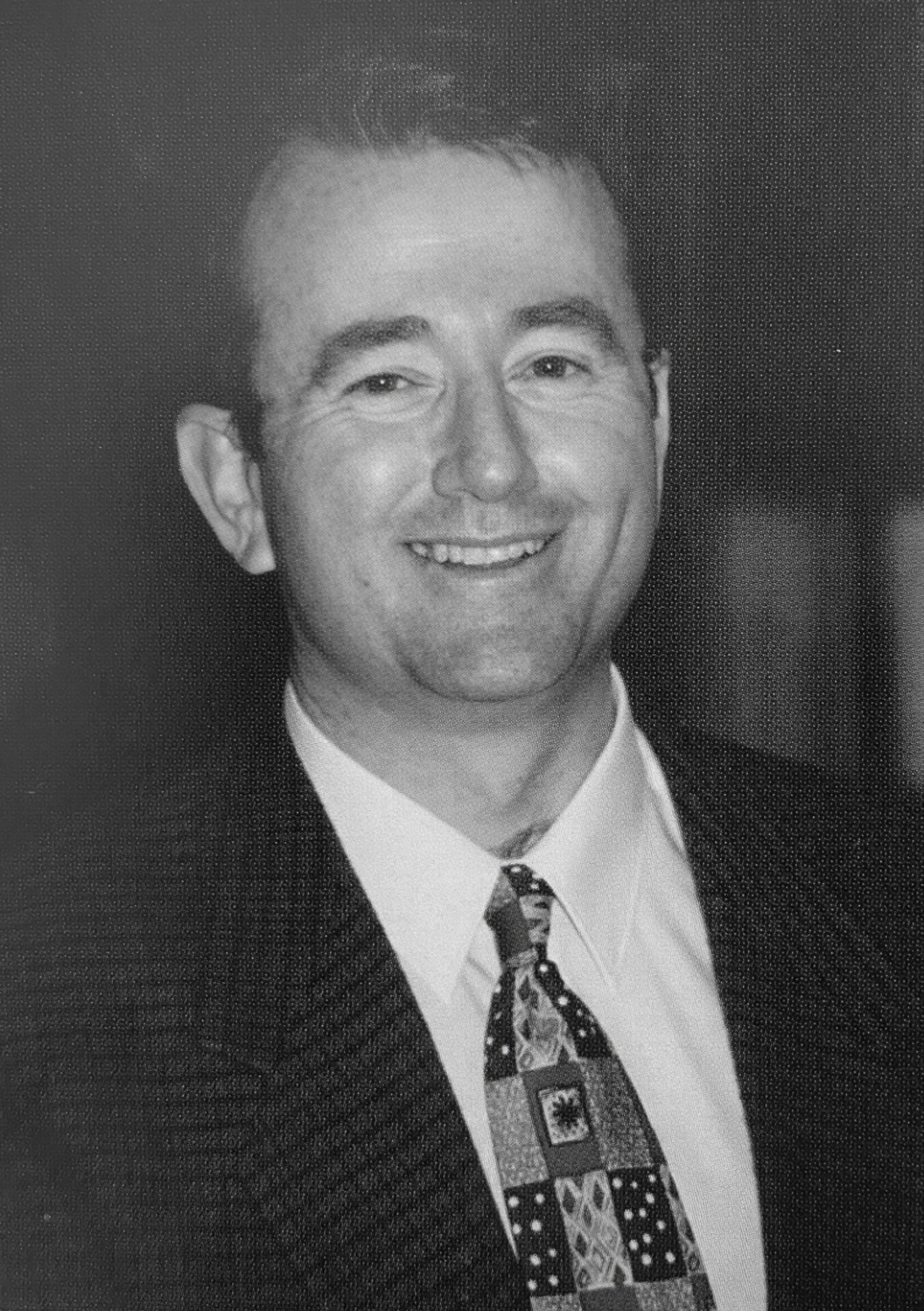
Luke Hughes became the third chief executive of St Andrew’s Toowoomba Hospital when he succeeded Col Roberts in September 1987. While his predecessor had helped establish and stabilise the fledgling hospital, Luke’s leadership coincided with one of the most significant periods of growth and modernisation in the Hospital’s history.
During his thirteen years as Chief Executive Officer, St Andrew’s evolved from a comparatively small private hospital on the northern edge of Toowoomba into a major regional healthcare facility. New operating theatres were opened, bed numbers increased substantially, additional wards were constructed, and major building programs transformed both the appearance and capability of the Hospital. Among the many developments during his tenure were the completion of the North Wing extensions, the construction of new support services facilities, expansion of specialist consulting rooms, refurbishment of existing wards, enlarged car parking facilities and the commencement of major projects that would shape the Hospital’s future.
Luke was a strong supporter of careful planning and future development. Hospital records show that he consistently encouraged long-term thinking, master planning and investment in infrastructure so that facilities would keep pace with the growing needs of patients and doctors. Under his administration, St Andrew’s increasingly broadened its range of services and strengthened its position as an important regional healthcare provider.
One of his most significant contributions was championing the Hospital’s move towards formal accreditation. In 1991 he urged the Board to “bite the bullet on accreditation”, recognising that quality assurance and recognised standards would become increasingly important in Australian healthcare. The process involved a tremendous amount of work throughout the Hospital and culminated in St Andrew’s receiving accreditation from the Australian Council on Healthcare Standards in 1994, earning the highest rating available. This achievement helped establish the quality culture that remains an important part of the Hospital today.
Luke’s period as CEO also marked the beginning of stronger links with nursing education. Initially cautious discussions with the University of Southern Queensland eventually developed into clinical placements for nursing students and future graduate nurse programs. The Hospital was increasingly preparing itself for the challenges of modern healthcare.
Staff who worked with him remembered a leader who was approachable, supportive and willing to encourage professional development. Engineering Services Manager Kenn Zerner recalled that when he expressed a desire to further his education, Luke supported him to undertake university studies, a decision that ultimately helped transform the Hospital’s maintenance and project management capabilities. Long-serving nurse Carole Miller similarly remembered him as approachable and easy to talk to.
Administration also changed significantly during Luke’s years at St Andrew’s. Computers replaced typewriters, systems became increasingly sophisticated, strategic planning became more formalised, and the Hospital adopted both a new logo and mission statement. In many ways, the organisation moved from its founding generation into a modern healthcare era.
Luke Hughes retired as Chief Executive Officer in June 2000 after almost thirteen years in the position. By the time he handed leadership to Ray Fairweather, St Andrew’s had grown far beyond the small hospital he inherited in 1987. His years of service were characterised by expansion, planning, accreditation and modernisation, helping position St Andrew’s Hospital for the developments and successes that followed in the new century.