Our team
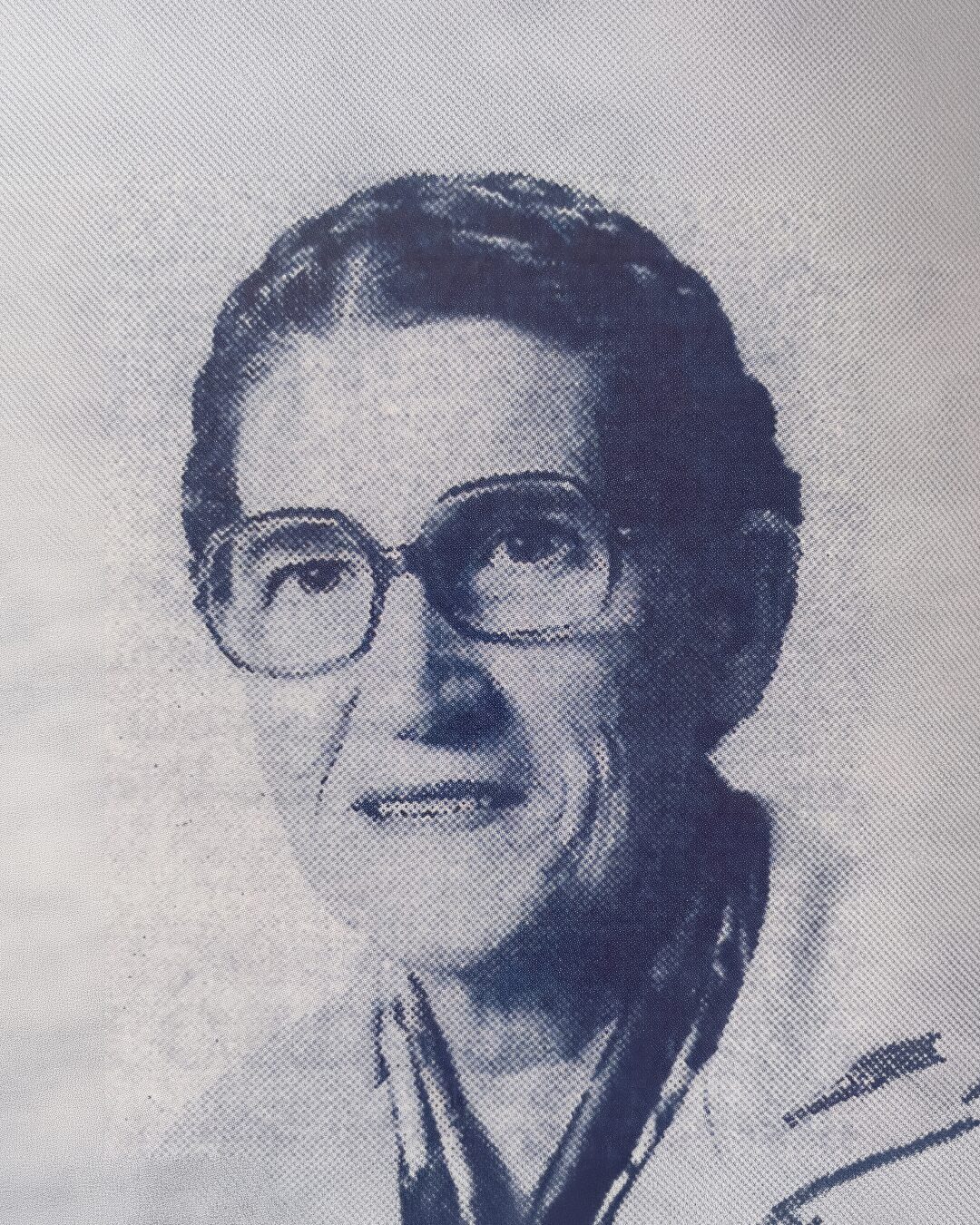
Matron Myra Blanch
Faces of our history
When St Andrew’s Toowoomba Hospital opened in July 1966, it was little more than a new building with big ambitions. There were no established systems, no nursing culture and no guarantee of success.
The person entrusted with turning that vision into a working hospital was Matron Myra Blanch.
As St Andrew’s first Matron, Myra was responsible for recruiting staff, establishing procedures, setting standards and creating the nursing culture that would shape the Hospital for decades. Her influence was so significant that many who worked with her considered her one of the defining figures in St Andrew’s early history.
Answering the call
Before joining St Andrew’s, Myra was Deputy Matron at Wollongong District Hospital in New South Wales.
As plans for the new hospital gathered pace, Chairman Treg Rowe and Reverend Jim McConaghy travelled south to interview prospective matrons. Myra quickly stood out as their preferred candidate, but accepting the role was not a simple decision.
Leaving an established position to help launch a brand-new hospital carried considerable risk. A committed Christian, Myra asked for time to pray and seek God’s guidance before making her decision. When she eventually responded, she told the selection committee she believed she was being called to Toowoomba.
With that, St Andrew’s had found its first Matron.
Building a hospital from scratch
Myra arrived before opening day and immediately faced an enormous task. Wards needed to be organised, equipment commissioned, procedures written and staff recruited. Everything had to be created from the ground up.
Early nursing staff remembered those weeks as busy and challenging. Supplies were sometimes scarce and improvisation was often necessary. One memorable example involved staff finding countless uses for cardboard boxes until Matron Blanch decided enough was enough and insisted on more practical alternatives.
It was a small story, but one that captured the realities of establishing a hospital from scratch.
High standards, fair leadership
Those who worked under Myra consistently described her as disciplined, organised and highly professional.
Nurse Jean Sizer later recalled that she ran the Hospital “along military lines,” a comment made with admiration rather than criticism. In those pioneering years, structure and consistency were essential, and Myra expected high standards in everything from patient care to ward presentation and uniforms.
Yet alongside that discipline was a deep sense of fairness and care.
Former staff remembered her as an excellent nurse and a supportive leader who treated people with respect. Mary Bennett, who later succeeded her as Matron, spoke warmly of Myra’s generosity and encouragement, noting that she never spoke badly about others behind their backs.
Every patient mattered
One of the qualities staff remembered most was Myra’s commitment to patients.
At a time when the Hospital was much smaller, she personally visited every patient each day. These daily rounds kept her connected to both patients and staff and reflected her belief that good leadership required a visible presence, not distance.
It was a simple practice, but one that left a lasting impression on those who worked alongside her.
Creating a culture of care
The St Andrew’s that opened in 1966 was a very different place from the hospital that exists today. Resources were limited, staffing was modest and everyone was expected to help wherever needed.
Under Myra’s leadership, teamwork became a defining part of the Hospital’s culture. Nurses developed strong bonds, and many later said St Andrew’s felt more like a family than a workplace.
The values she championed — professionalism, commitment, teamwork and patient-centred care — helped set the tone for future generations of staff.
A lasting legacy
Myra served as Matron until her retirement in 1979. By then, St Andrew’s had grown significantly, and the Board formally recognised her contribution to the Hospital’s development.
But her legacy extended far beyond her years of service.
She arrived when there was no established hospital, no nursing culture and no proven roadmap for success.
Myra Blanch didn’t simply manage a new hospital, she helped build it. And in doing so, she laid the foundations for a culture of care that continues to shape St Andrew’s today.