Our team
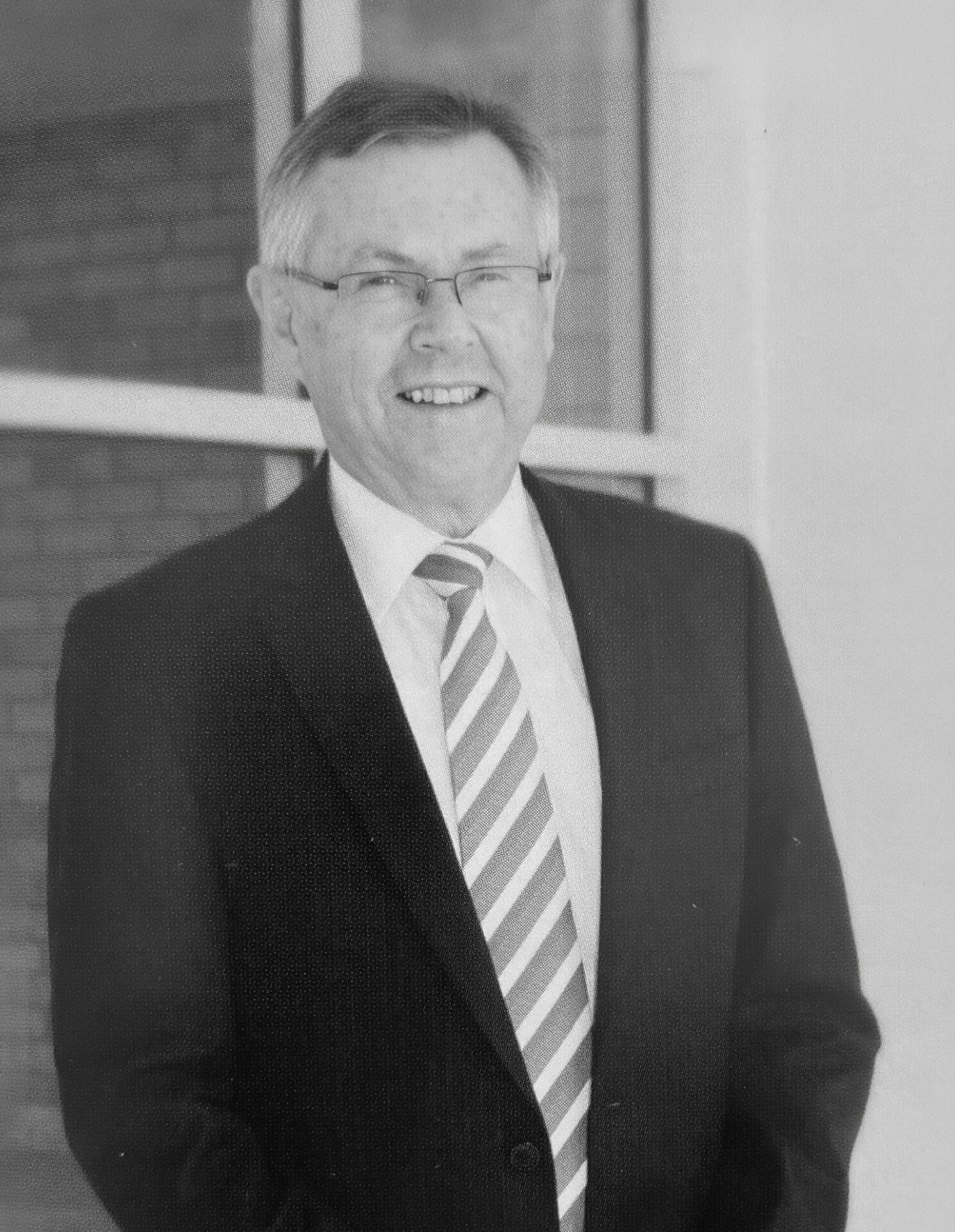
Ray Fairweather
Faces of our history
When Ray Fairweather became Chief Executive Officer in July 2000, St Andrew’s was already a successful regional hospital. His focus was on preparing the organisation for the future.
Drawing on his experience as CEO of the Macquarie Area Health Service in New South Wales, Ray brought a broad understanding of regional healthcare and a strong belief that hospital services should reflect the needs of the communities they serve. That philosophy became a defining feature of his leadership.
Expanding care closer to home
Cancer care was one of Ray’s highest priorities. When he arrived, the John Stedman Chemotherapy Unit had recently been established, and he oversaw the continued growth of cancer services, including major developments to the Cancer Care Centre.
A defining achievement came with the introduction of radiotherapy services. Ray later described securing the radiotherapy unit as one of the Hospital’s most significant milestones, allowing many patients to receive treatment closer to home.
Investing in innovation
Ray was a strong advocate for advanced medical technology and the role it could play in regional healthcare.
One of the most notable investments during his tenure was the acquisition of regional Australia’s first surgical robot. While the decision required substantial financial commitment, Ray believed access to leading technology was essential if regional patients were to receive high-quality care locally rather than travelling to Brisbane.
Strengthening cardiology services
Another major area of growth was cardiology. The opening of the six-bed Cardiac Medical Unit in 2015 marked an important step forward, enabling more cardiac procedures to be performed in Toowoomba and strengthening St Andrew’s position as a leading regional healthcare provider.
A vision for regional healthcare
While championing innovation, Ray also maintained a deep respect for the Hospital’s history and the people who helped build it. He frequently acknowledged the contributions of figures such as Treg Rowe and Margaret Montgomery, and often spoke proudly of St Andrew’s community origins and reputation as a quiet achiever.
Ray had an extraordinary ability to remember names, not just those of staff and doctors, but also the names of their spouses and even their children. As he walked the corridors, he would often strike up conversations with staff and doctors, asking after them and their families by name. Ray is very fondly remembered for this wonderful ability, along with his many other qualities and contributions. Throughout his leadership, Ray remained focused on a simple goal: ensuring people in regional communities could access the best possible care without unnecessary travel. That commitment helped guide St Andrew’s through the first decades of the twenty-first century.