Dr Brady Bonner
Dr Brady Bonner is a Queensland-trained Orthopaedic Surgeon with a special interest in orthopaedic trauma, hip and knee arthroplasty…

Hip pain can develop gradually over time or occur suddenly following an injury. It may affect your mobility, independence and ability to participate in everyday activities, work, exercise and the hobbies you enjoy.
Explore orthopaedics > Hip Pain
There are many possible causes of hip pain, including arthritis, bursitis, soft tissue injuries and problems affecting the hip joint itself. Understanding the cause of your symptoms is an important first step in determining the most appropriate treatment approach.
This page provides general information about some common causes of hip pain, how they may be diagnosed, and the treatment options that may be considered by your healthcare team.
Hip arthritis is one of the most common causes of hip pain. Osteoarthritis is the most common form and occurs when changes within the joint lead to pain, stiffness and reduced movement.
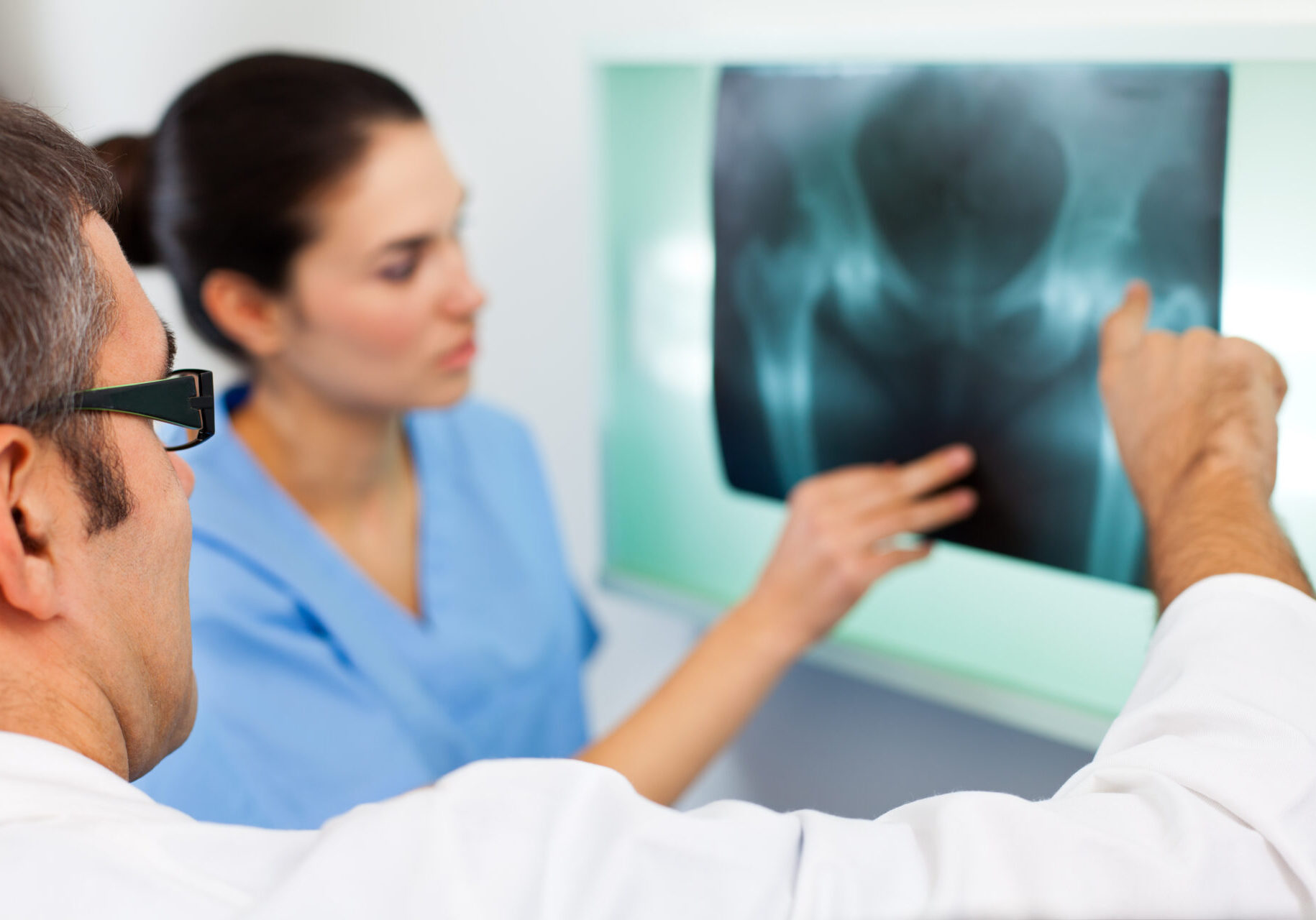
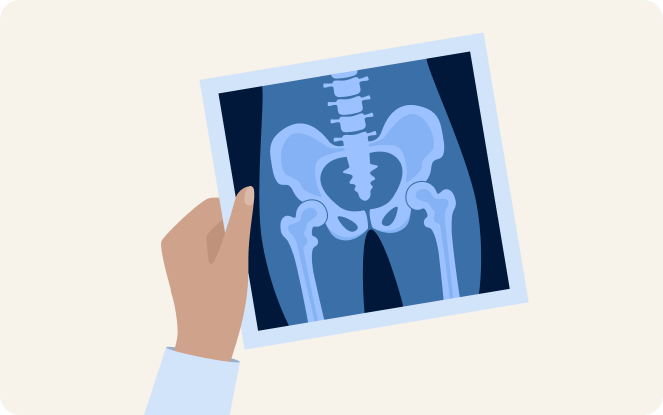
Your GP or specialist will discuss your symptoms, perform a clinical examination and may recommend investigations such as X-rays, MRI scans or blood tests to better understand what is happening within the joint.
Treatment depends on your symptoms, lifestyle and individual circumstances and may include:
Many people successfully manage hip arthritis without surgery.
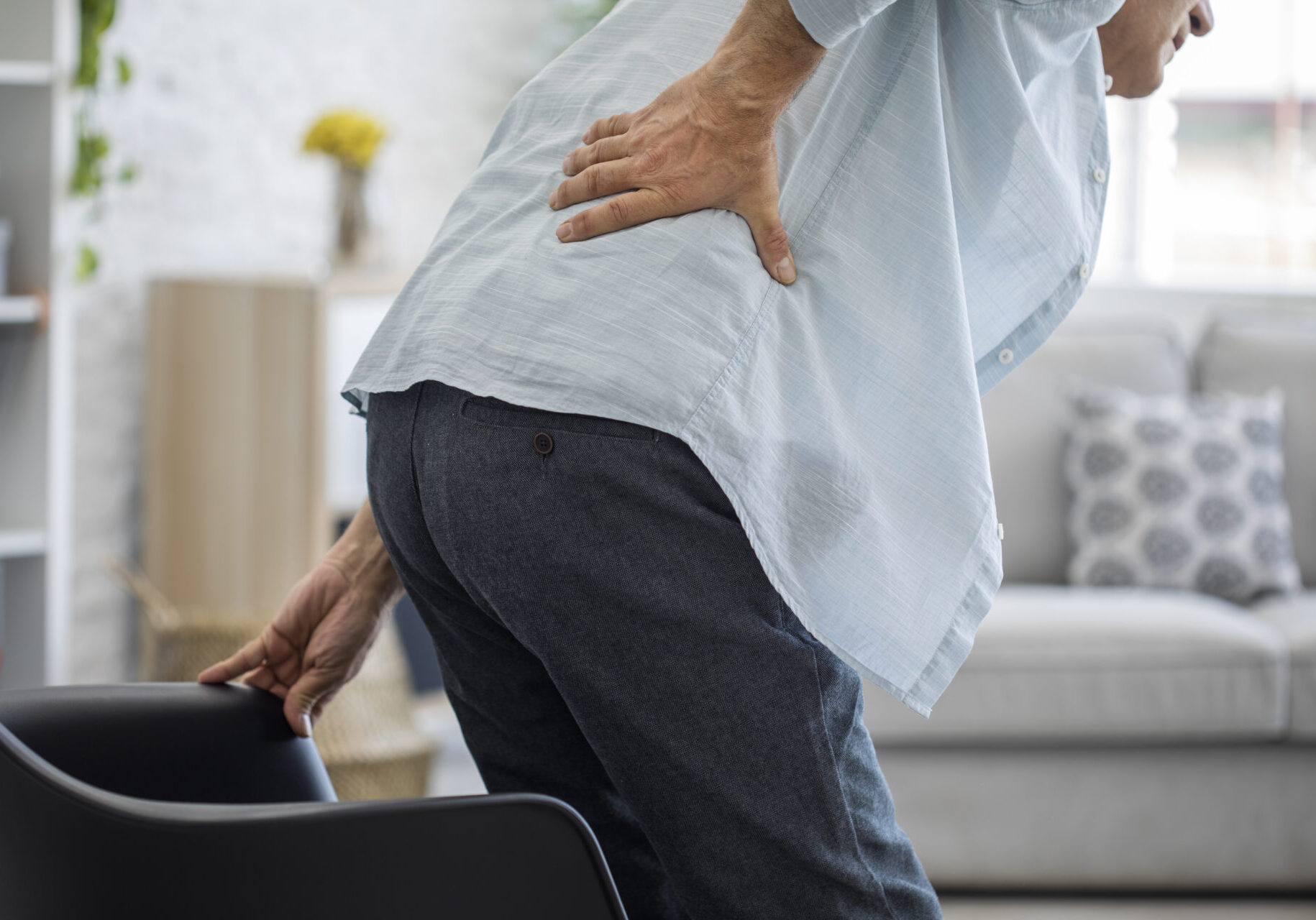

Hip bursitis occurs when one of the fluid-filled sacs around the hip, called a bursa, becomes irritated or inflamed.
Hip bursitis can affect anyone, although it is more often seen in women than in men. Those who are overweight or obese, or who have muscle weakness in the hips may be more prone to developing hip bursitis.
Most cases can be managed without surgery and may include:
Surgery is rarely required but may be considered in persistent cases.
Hip injuries can affect people of all ages and range from minor soft tissue injuries through to fractures and dislocations requiring urgent medical attention.
Treatment varies depending on the type and severity of injury and may include:
Rehabilitation is an important part of many treatment plans.
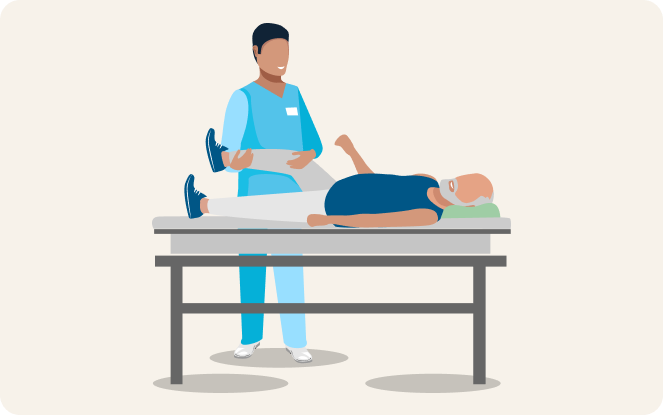
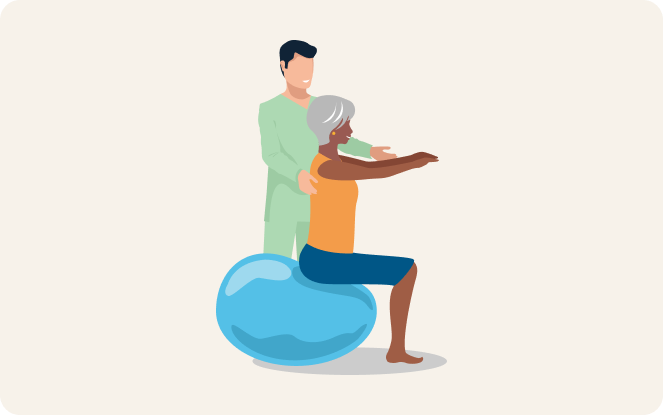
Depending on your condition, recovery may involve physiotherapy, strengthening programs, mobility training and support from allied health professionals to help you return to everyday activities as safely as possible.

Dr Brady Bonner is a Queensland-trained Orthopaedic Surgeon with a special interest in orthopaedic trauma, hip and knee arthroplasty…

Dr Grant Menegon is a Queensland trained Orthopaedic Surgeon consulting at St Andrew’s Toowoomba Hospital …

Dr Dolapo Sotade is a Fellowship-trained Orthopaedic Surgeon with a comprehensive practice in hip and knee joint replacement …
If you'd like to see one of our orthopaedic specialists, speak with your GP about a referral. Your GP can discuss your symptoms, treatment history and whether a referral to an orthopaedic specialist may be appropriate.
Slide through to understand your treatment journey from booking your GP in for an initial appointment, all the way through to rehabilitation and ongoing management.


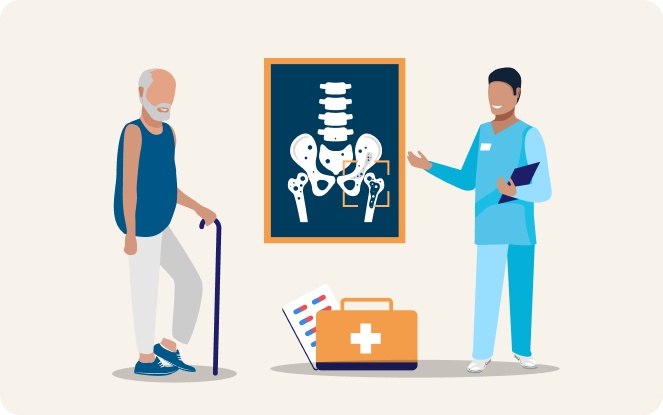
Receiving a referral to an orthopaedic specialist may raise questions for you. Find answers to some commonly asked questions here.