Rehabilitation and recovery
St Andrew’s Toowoomba Hospital Rehabilitation Service provides high quality, multidisciplinary patient focused care to assist in recovery after illness and surgery.
Explore orthopaedics > Understanding your referral and treatment pathways
Orthopaedic rehabilitation is designed to support recovery following injury, trauma or surgery affecting the bones, joints, muscles and spine. Through personalised therapy and clinical support, patients can improve strength, mobility and function while working towards a safe return to everyday activities.
Step 1

Visit your GP for advice
If you're experiencing ongoing pain, stiffness or reduced mobility, start by speaking with your GP. They can assess your symptoms, discuss treatment options and help determine the most appropriate path forward.
Your GP may:
- Assess your symptoms and medical history
- Discuss possible causes of your pain or mobility concerns
- Recommend treatment or self-management strategies
- Arrange imaging or other diagnostic tests such as X-rays or MRI scans
- Develop a treatment plan to help manage your condition
- Refer you to an orthopaedic specialist if required
Step 2

Book an appointment with your specialist
If your GP determines that specialist care may be beneficial, they can recommend an orthopaedic specialist and provide you with a referral letter. Once you have your referral, you can contact the specialist's rooms to arrange an appointment.
Before your appointment
Specialist clinics can help answer common questions before your visit, including appointment availability, parking, location details and any preparation requirements. If you're unsure about anything, don't hesitate to contact the clinic directly.
What to bring
To help your specialist gain a complete understanding of your condition, please bring:
- Your referral letter
- Any relevant imaging and reports (X-rays, MRI or CT scans)
- A list of current medications
- Information about previous treatments or surgeries
- Any questions you'd like to discuss during your appointment
Being prepared can help ensure you get the most value from your consultation and make informed decisions about your care.
Step 3
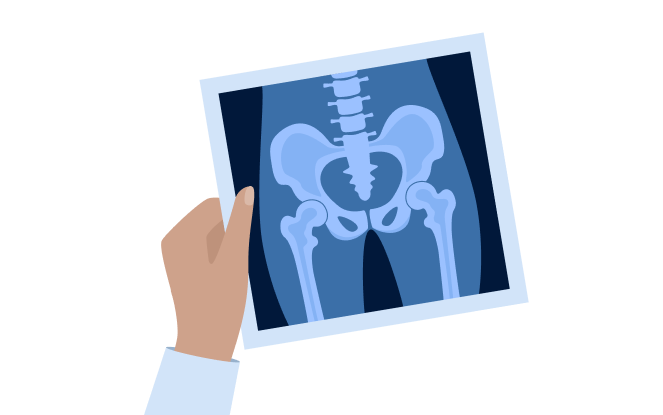
Attend your specialist appointment
Your first appointment is an opportunity to better understand your condition and discuss the treatment options available to you. Your specialist will take the time to learn about your symptoms, medical history and how your condition is affecting your daily life.
During your appointment, your specialist may:
- Ask questions about your symptoms and medical history
- Review any imaging or test results
- Examine the affected area
- Discuss possible diagnoses
- Recommend further investigations or imaging if required
- Explain available treatment options
Understanding your options
Surgery is not always required. Depending on your condition, your specialist may recommend non-surgical treatments, additional testing, rehabilitation, ongoing monitoring or surgery. Together, you'll develop a treatment plan tailored to your individual needs and goals.
Step 4
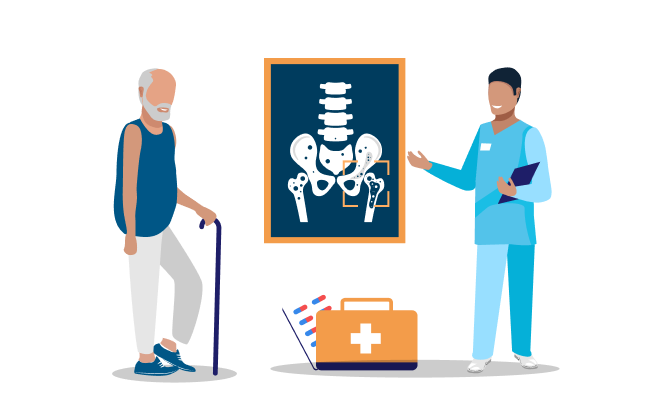
Receive a treatment plan
Following your assessment, your specialist will explain their findings and work with you to develop a personalised treatment plan. This plan will be based on your diagnosis, symptoms, lifestyle and treatment goals.
Your treatment plan may include:
- Further investigations or imaging
- Non-surgical treatment options
- Surgical treatment, if appropriate
- Rehabilitation or ongoing support services
- Follow-up appointments to monitor your progress
Conservative treatment
Many orthopaedic conditions can be managed without surgery. Depending on your needs, treatment may include physiotherapy, exercise programs, medication, injections, activity modification or other therapies designed to reduce pain, improve movement and support your recovery.
Surgery (if required)
A personalised approach
Every patient is different. Your treatment plan may involve a single treatment, a combination of therapies, or a staged approach that evolves over time based on your progress and response to care.
Making informed decisions
Your specialist will explain the benefits, risks and expected outcomes of any recommended treatment, giving you the information you need to make informed decisions about your care and next steps. You should ask as many questions as you need to feel informed and comfortable with your treatment plan.
Step 5
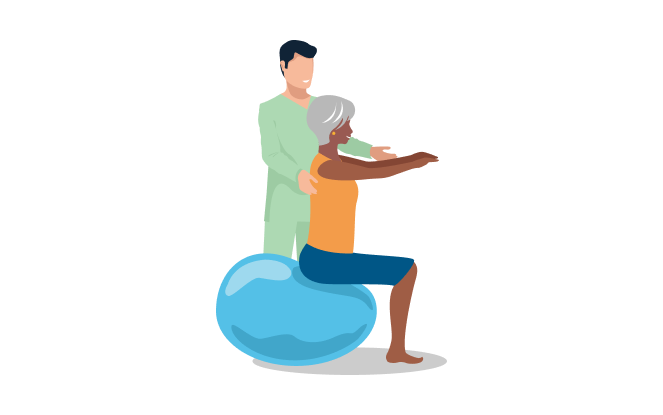
Rehabilitation and recovery
Recovery is an important part of your orthopaedic journey. Whether you've received non-surgical treatment or undergone surgery, rehabilitation can help improve strength, mobility, function and confidence as you return to everyday activities.
Supporting your recovery
Depending on your condition and treatment plan, rehabilitation may include physiotherapy, exercise programs, education and support from a multidisciplinary healthcare team. Your care team will work with you to develop goals and tailor your recovery plan to your individual needs.
Rehabilitation services at St Andrew's
For patients who require additional support during their recovery, St Andrew's Toowoomba Hospital offers both inpatient and day rehabilitation programs. These services provide access to specialist rehabilitation physicians, nursing care and allied health professionals, helping patients build strength, restore function and work towards a safe return to daily life.
Recover at your own pace
Every recovery journey is different. Your specialist and care team will monitor your progress, provide guidance along the way and help you achieve the best possible outcome from your treatment.
Step 6

Ongoing care and support
Your orthopaedic journey doesn't always end when treatment or rehabilitation is complete. Ongoing care can help you maintain mobility, manage symptoms and achieve the best possible long-term outcome.
Continuing your care
Depending on your condition, your ongoing care may include:
- Follow-up appointments with your specialist
- Progress reviews and monitoring
- Ongoing physiotherapy or exercise programs
- Self-management strategies to support joint and muscle health
- Additional treatment if your needs change over time
Supporting your long-term wellbeing
The goal of ongoing care is to help you remain active, independent and confident in your daily life. Your care team can provide guidance and support to help you maintain the progress you've made and continue working towards your health goals.
Orthopaedic FAQs
Receiving a referral to an orthopaedic specialist may raise questions for you. Find answers to some commonly asked questions here.