Dr Craig Brownlie
Medical Advisory Committee
Dr Craig Brownlie is an Australian-trained orthopaedic surgeon with a special interest in shoulder, knee and hip surgery. In his role as…

The shoulder is the most flexible joint in the body, allowing you to reach overhead, lift objects, participate in sport and perform everyday activities. When shoulder pain develops, it can affect sleep, independence, work and quality of life.
Explore orthopaedics > Shoulder Pain
There are many possible causes of shoulder pain, ranging from arthritis and tendon injuries through to dislocations, fractures and instability. Understanding the cause of your symptoms is an important first step in determining the most appropriate treatment approach.
This page provides general information about some common causes of shoulder pain, how they may be diagnosed, and the treatment options available to patients across Toowoomba and the Darling Downs.
Shoulder arthritis occurs when the smooth cartilage within the joint becomes damaged, leading to pain, inflammation and reduced movement.
The shoulder contains two joints that can be affected by arthritis: the main ball-and-socket joint (glenohumeral joint) and the smaller joint between the collarbone and shoulder blade (acromioclavicular joint).
Your healthcare professional will discuss your symptoms, examine your shoulder and assess factors such as movement, posture, tenderness and muscle strength.
Investigations may include X-rays, MRI scans and blood tests to identify degenerative, inflammatory or autoimmune conditions.
Most people with shoulder arthritis can be managed without surgery. Treatment may include:

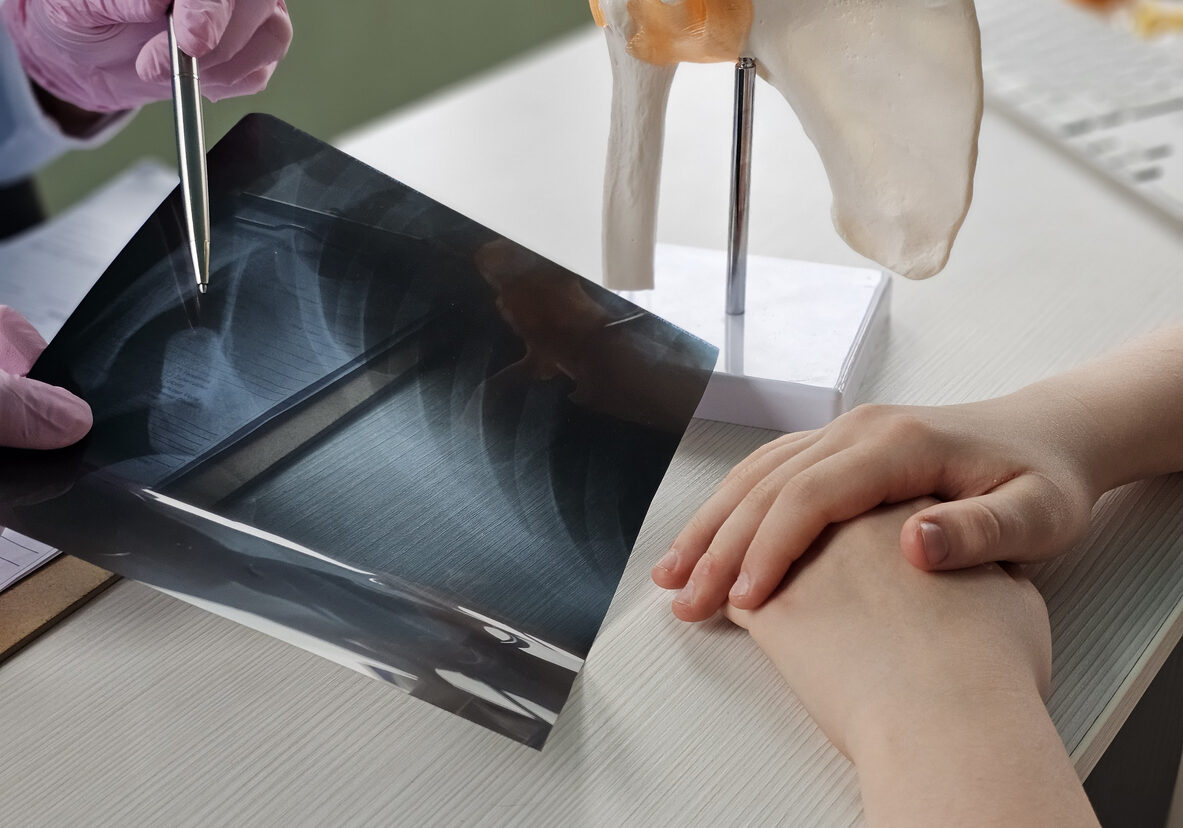
Shoulder injuries affect people of all ages and can range from relatively minor soft tissue injuries through to fractures and dislocations requiring urgent medical attention.
Shoulder Dislocations
Occur when the bones of the shoulder joint move out of alignment, usually following trauma such as a sporting injury or fall.
Shoulder Fractures
Broken bones involving the collarbone, shoulder blade or upper arm.
Shoulder Instability
Occurs when the shoulder joint becomes loose and prone to repeated dislocations or painful episodes.
Rotator Cuff Tears
Injuries affecting the muscles and tendons that help stabilise and move the shoulder.
Shoulder Impingement & Tendonitis
Conditions involving irritation, inflammation or compression of tendons within the shoulder.
Diagnosis typically begins with a discussion about your symptoms, how the injury occurred and how it affects your daily activities.
Your healthcare professional may examine the shoulder and recommend imaging such as X-rays, CT scans or MRI scans to assess bones, joints, tendons and soft tissues.
Treatment depends on the type and severity of the injury and may include:
The shoulder relies heavily on muscles, tendons and ligaments for stability. Problems affecting these structures can lead to ongoing pain, weakness and reduced function.
Shoulder Instability
May develop following trauma, repeated overhead activities or naturally loose supporting tissues.
Rotator Cuff Tears
Can occur suddenly following an injury or gradually through wear and tear over time.
Rotator Cuff Tendinopathy
Irritation and degeneration affecting the tendons of the shoulder.
Your healthcare professional may assess your shoulder strength, mobility and stability. Imaging such as ultrasound or MRI may be used to evaluate tendons, muscles and other soft tissue structures.
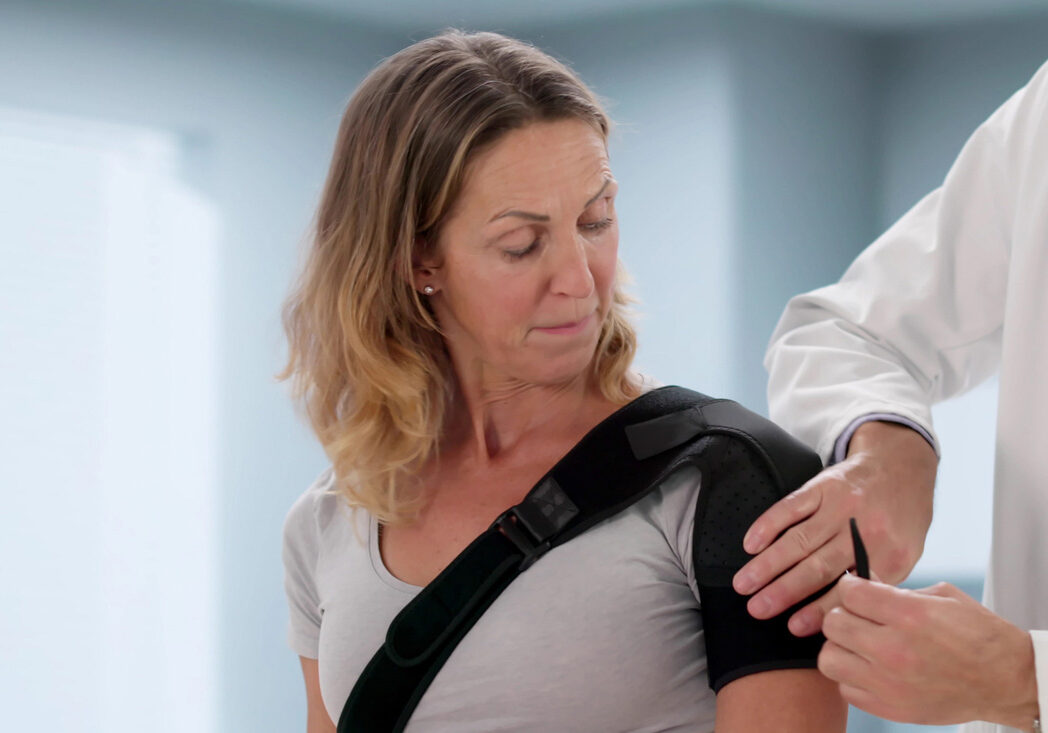
Depending on the condition and severity of symptoms, treatment may include:
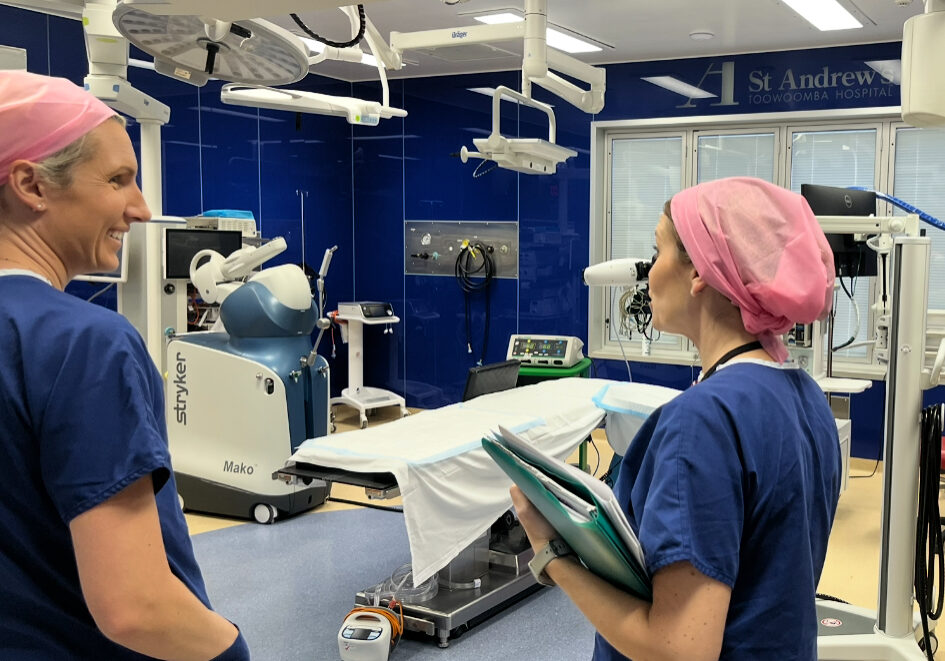
For patients requiring shoulder replacement surgery, MAKO SmartRobotics™ technology is available at St Andrew's Toowoomba Hospital. St Andrew's was the first hospital in the Darling Downs to offer this technology for shoulder replacement procedures.
Rehabilitation is an important part of many treatment plans.
Depending on your condition, recovery may involve physiotherapy, strengthening programs, mobility training and support from allied health professionals to help you return to everyday activities as safely as possible.
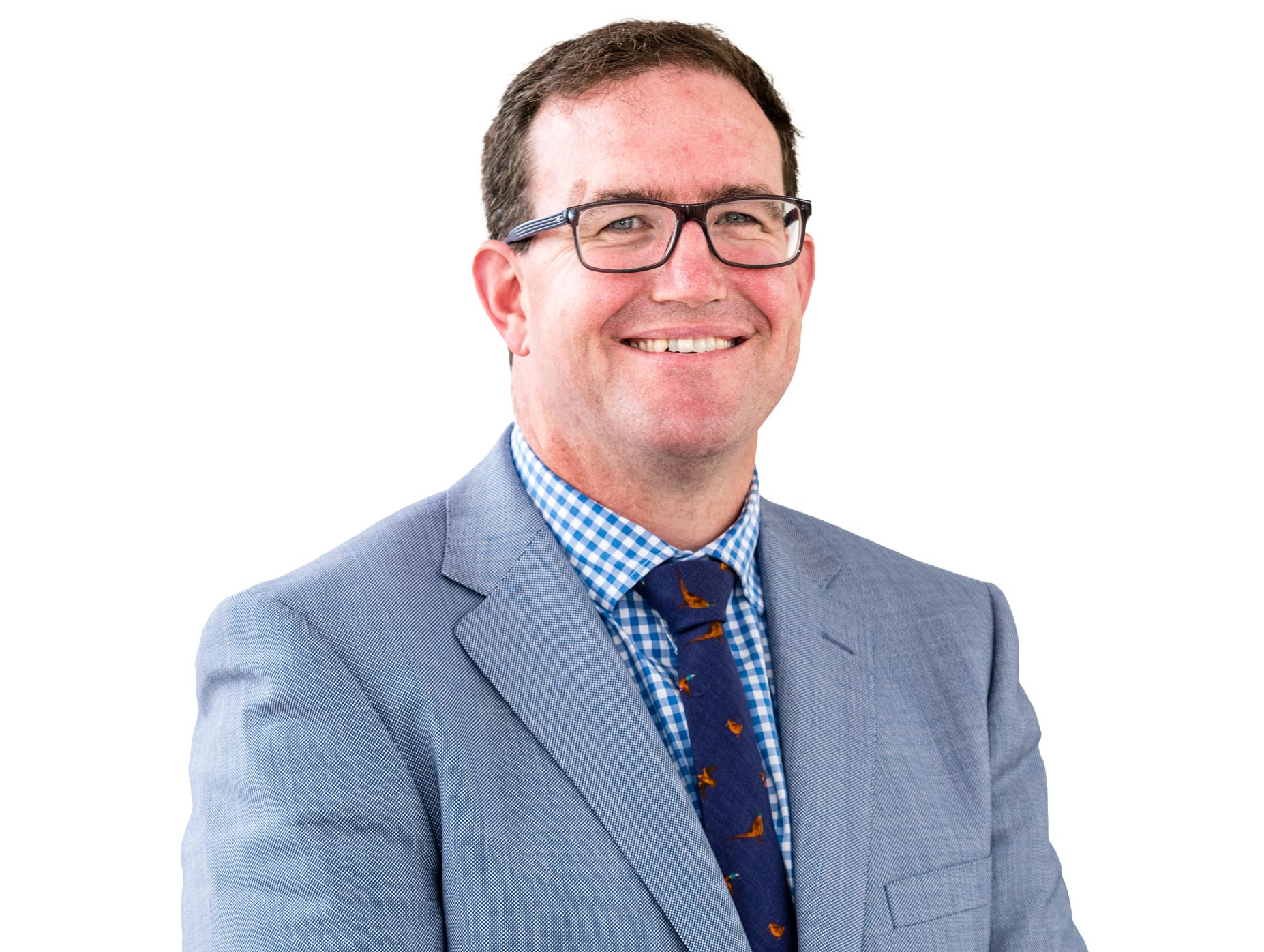
Dr Craig Brownlie is an Australian-trained orthopaedic surgeon with a special interest in shoulder, knee and hip surgery. In his role as…
If you'd like to see one of our orthopaedic specialists, speak with your GP about a referral. Your GP can discuss your symptoms, treatment history and whether a referral to an orthopaedic specialist may be appropriate.
Receiving a referral to an orthopaedic specialist may raise questions for you. Find answers to some commonly asked questions here.