Dr Joshua Piercey
Dr Joshua Piercey is a specialist Orthopaedic and Spine Surgeon based at St Andrew’s Toowoomba Hospital, a designated Centre …

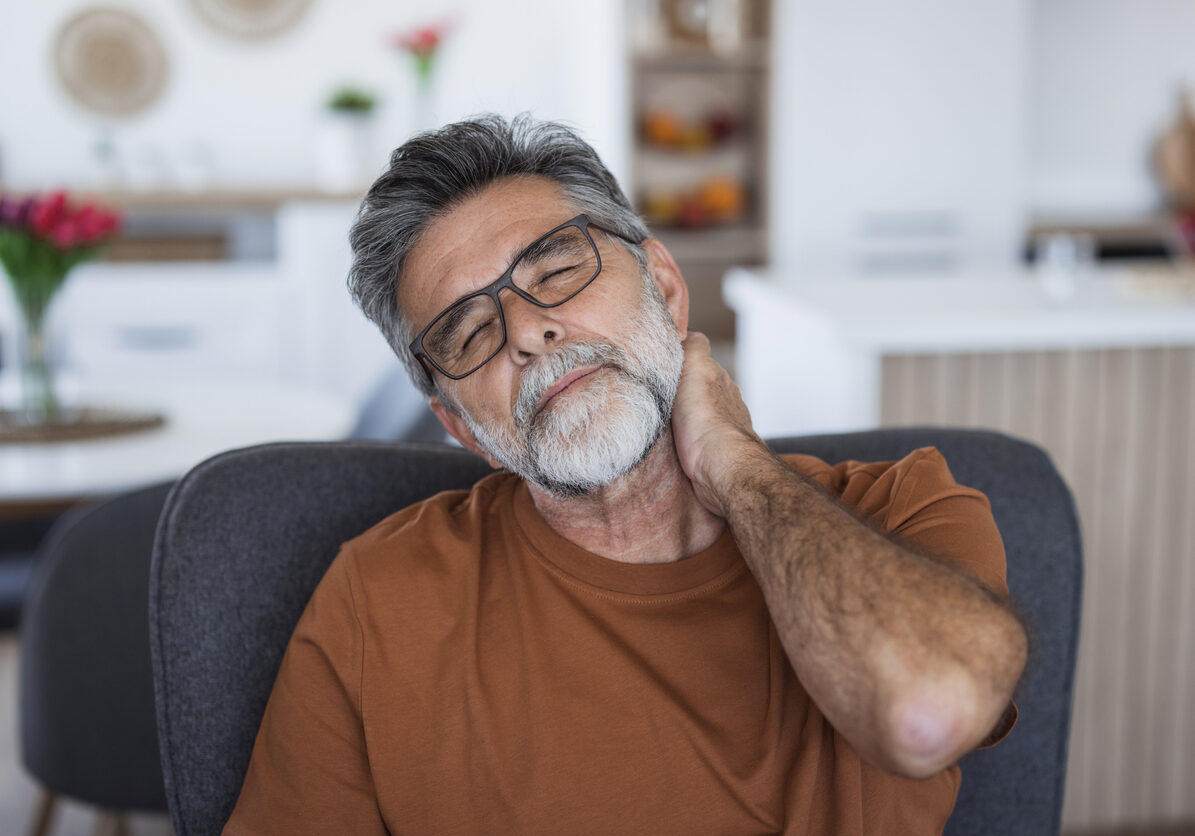
Neck pain is a common condition that can affect people of all ages. It may develop gradually over time or occur suddenly following an injury, poor posture or repetitive strain.
Explore orthopaedics > Neck Pain
The spine plays an important role in supporting the body, protecting vital nerves and allowing movement. When problems affect the neck, symptoms may extend beyond the neck itself and cause headaches, shoulder pain, arm pain, numbness or tingling.
This page provides general information about some common causes of neck pain, how they may be diagnosed, and the treatment options that may be considered by your healthcare team.
Neck pain can arise from a variety of conditions affecting the joints, muscles, nerves and other structures within the spine.
Neck pain may be associated with:
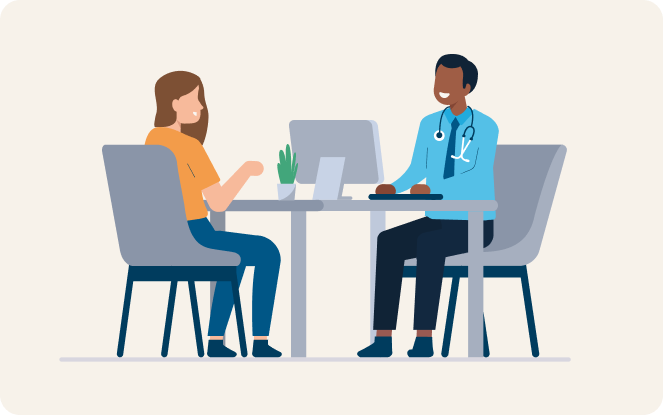
Your GP will ask questions about your symptoms, including when they started, what makes them better or worse, and how they affect your daily activities.
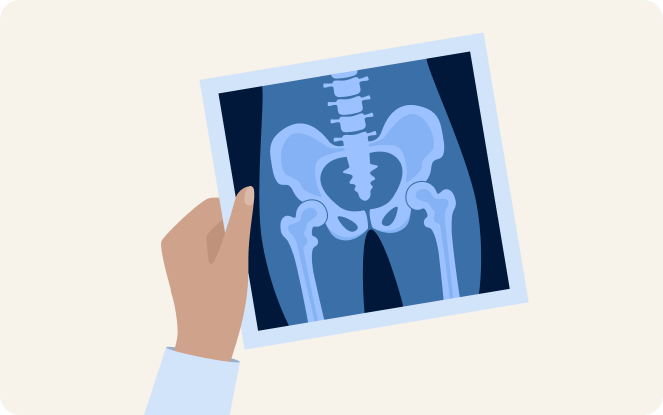
You may undergo a physical examination to assess movement, strength, posture and any areas of tenderness. Depending on your symptoms, imaging such as X-rays, CT scans or MRI scans may be recommended. Blood tests or other investigations may also be used to help identify the cause of your symptoms.
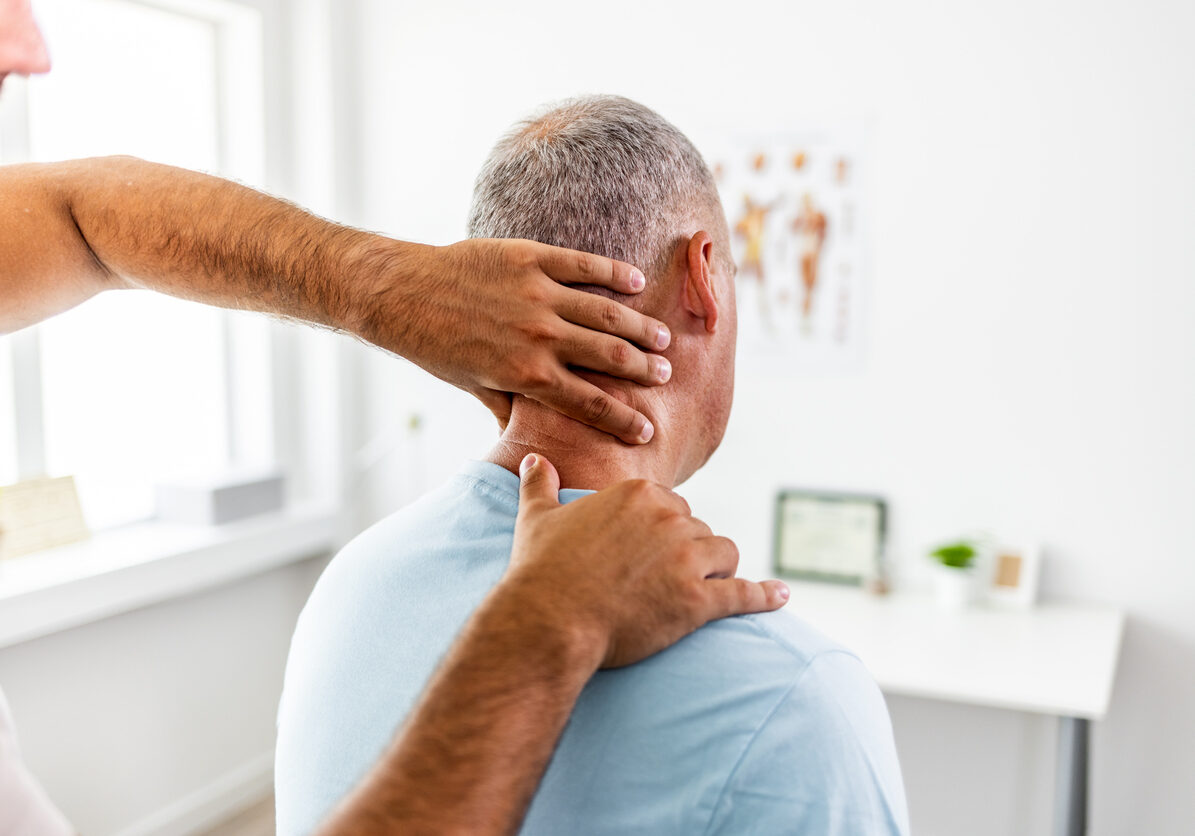
Many cases of neck pain can be managed successfully without surgery. Treatment may include:
Some neck conditions develop gradually over time due to wear and tear, age-related changes or underlying disease.
Arthritis
The spine can be affected by several forms of arthritis, including osteoarthritis, rheumatoid arthritis and ankylosing spondylitis.
Degenerative Disc Disease
Gradual wear and tear of the discs between the vertebrae.
Spinal Stenosis
Narrowing of the spinal canal, which can place pressure on nearby nerves.
Chronic Neck Pain
Pain that persists for more than three months and may affect daily activities, work and quality of life.
Treatment depends on the underlying condition and severity of symptoms but may include:
Neck injuries can occur during everyday activities, sporting incidents, workplace accidents or motor vehicle collisions.
Whiplash
A soft tissue injury caused by a sudden force that moves the head in one direction and then rapidly back the other way, most commonly during a vehicle accident.
Soft Tissue Injuries
Strains, sprains and tears affecting muscles, tendons and ligaments around the neck.
Prolapsed Disc
Occurs when disc material bulges and places pressure on nearby nerves. This may cause neck pain and symptoms extending into the arms.
Fractures
Breaks affecting the bones of the spine, usually resulting from significant trauma.
Treatment varies depending on the type and severity of the injury and may include:

Most people with neck pain will not require surgery.
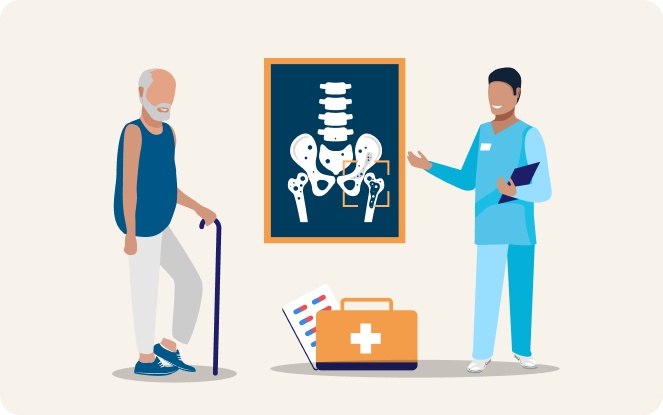
When symptoms are severe, persistent or caused by structural problems within the spine, surgery may sometimes be recommended.
Decompression Surgery
Reduces pressure on nerves by removing tissue or bone contributing to compression.
Spinal Fusion
Stabilises part of the spine by joining two or more vertebrae together.
Disc Replacement
Replaces a damaged spinal disc with an artificial implant.
Your specialist will discuss the benefits, risks and suitability of surgery based on your individual circumstances.
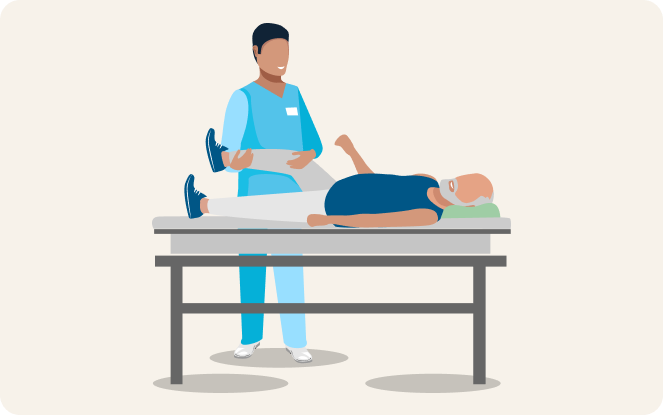
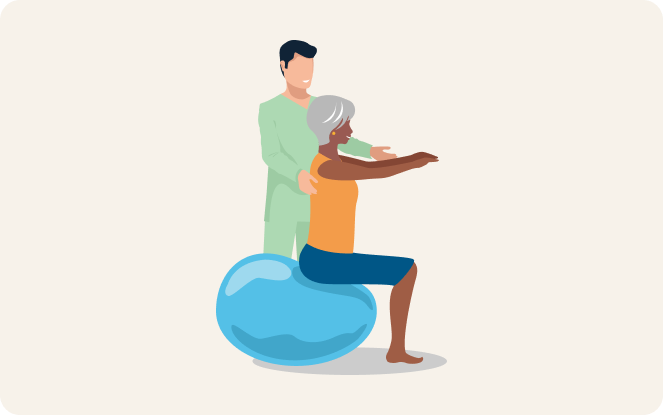
Rehabilitation can play an important role in recovery from neck injuries, chronic neck pain and neck surgery.
Depending on your needs, your rehabilitation program may include physiotherapy, strengthening and mobility exercises, pain management strategies, postural training, return-to-work planning, and support for returning to sport and recreational activities.
For some conditions, rehabilitation focuses on improving movement, reducing symptoms and preventing flare-ups. Following surgery, rehabilitation can help restore strength, confidence and function.
Dr Joshua Piercey is a specialist Orthopaedic and Spine Surgeon based at St Andrew’s Toowoomba Hospital, a designated Centre …
Dr Dolapo Sotade is a Fellowship-trained Orthopaedic Surgeon with a comprehensive practice in hip and knee joint replacement …

Dr Leo Zeller is a highly experienced orthopaedic surgeon and Toowoomba’s only qualified orthopaedic spine surgeon …
If you'd like to see one of our orthopaedic specialists, speak with your GP about a referral. Your GP can discuss your symptoms, treatment history and whether a referral to an orthopaedic specialist may be appropriate.
Slide through to understand your treatment journey from booking your GP in for an initial appointment, all the way through to rehabilitation and ongoing management.

Receiving a referral to an orthopaedic specialist may raise questions for you. Find answers to some commonly asked questions here.