Dr Brady Bonner
Dr Brady Bonner is a Queensland-trained Orthopaedic Surgeon with a special interest in orthopaedic trauma, hip and knee arthroplasty…

Knee pain can affect people of all ages and for many different reasons, from sporting injuries and arthritis to gradual wear and tear over time.
At St Andrew's, our orthopaedic specialists provide assessment and treatment for a wide range of knee conditions. Whether you're experiencing ongoing pain, reduced mobility, instability, or recovering from an injury, our team can help identify the cause of your symptoms and discuss the treatment options available to you.
Knee arthritis is one of the most common causes of knee pain, particularly as we get older. It occurs when the joint gradually changes over time, leading to pain, stiffness and reduced movement.
Your GP or specialist will discuss your symptoms, examine your knee and may recommend imaging such as an X-ray or MRI to better understand what's happening within the joint.
Treatment depends on your symptoms and individual circumstances and may include:
Many people successfully manage knee arthritis without surgery.
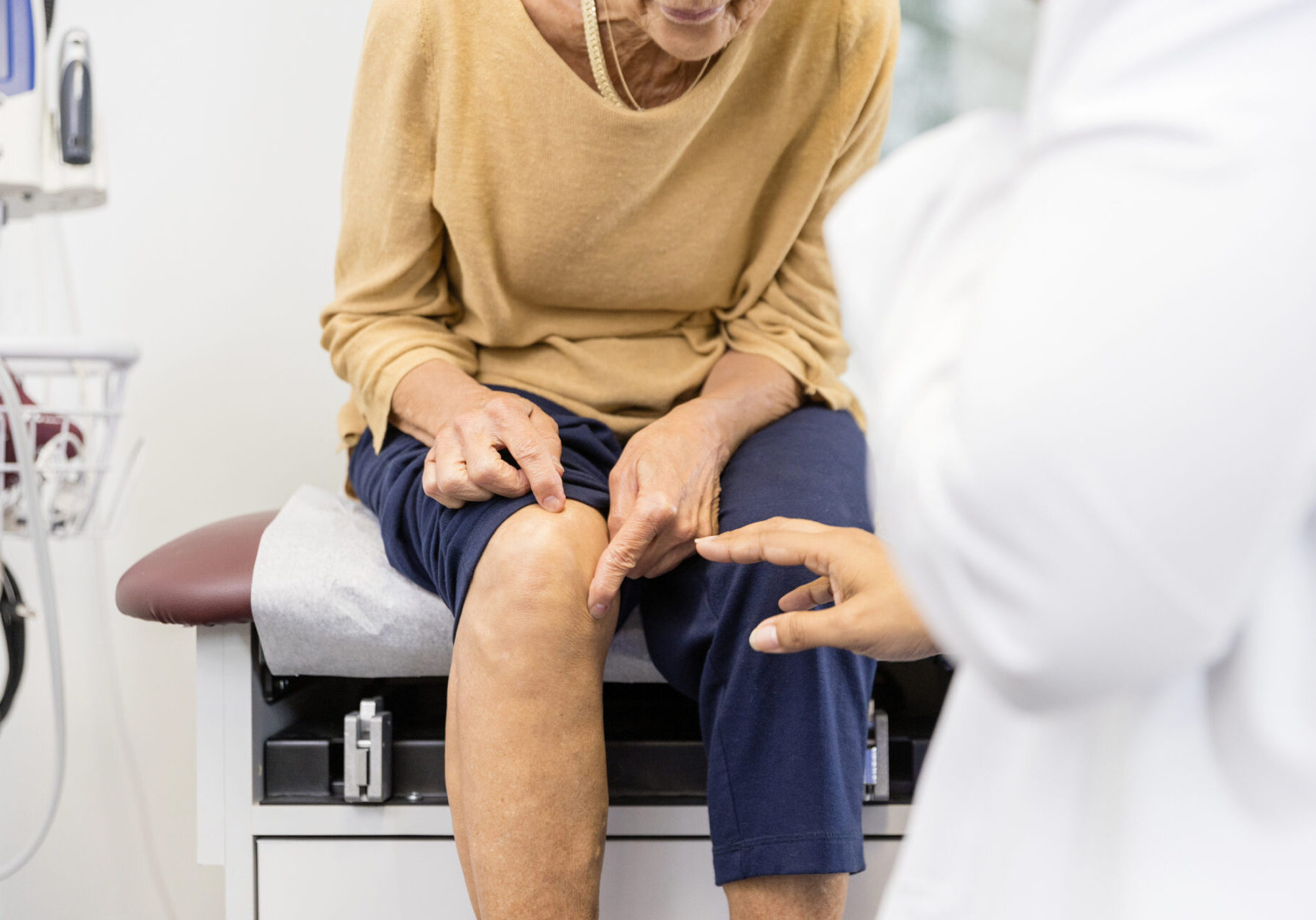
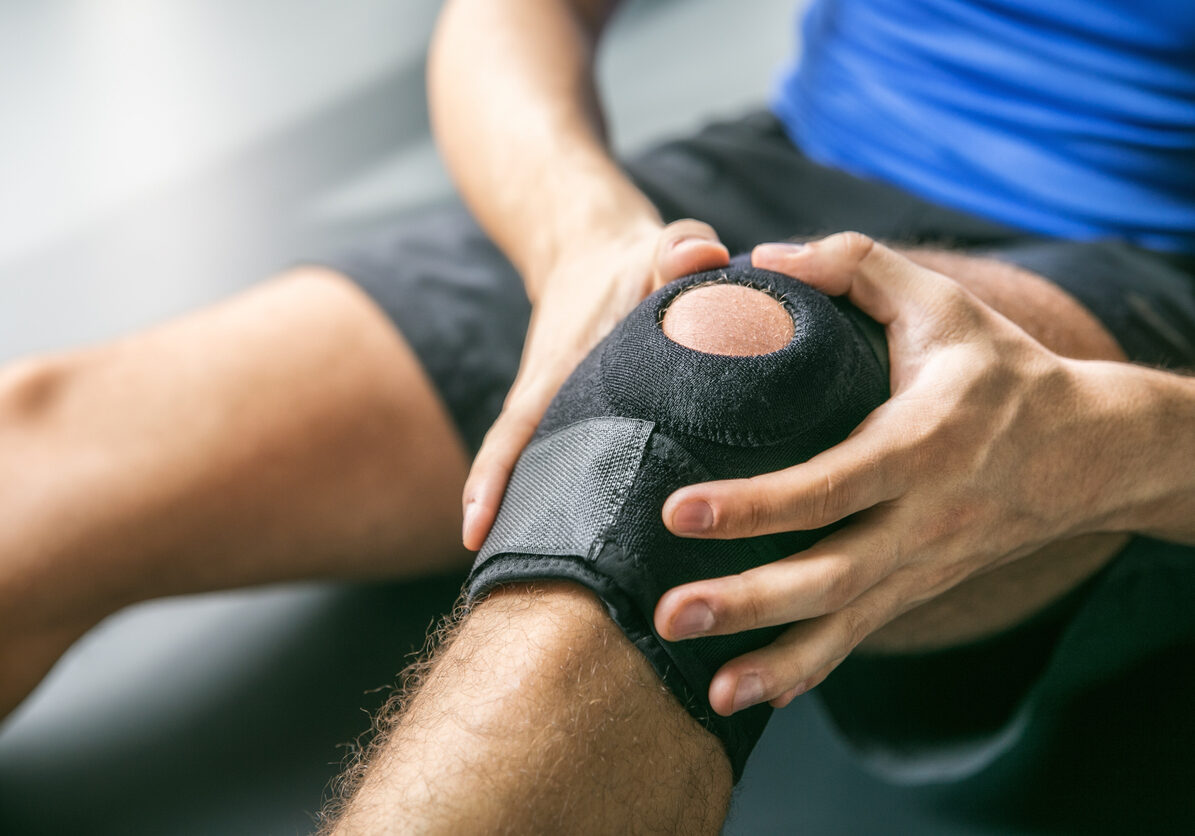
Knee injuries are common and can occur during sport, work, exercise or everyday activities. They range from mild sprains through to ligament tears, fractures and more complex injuries.
Treatment depends on the type and severity of injury and may include:
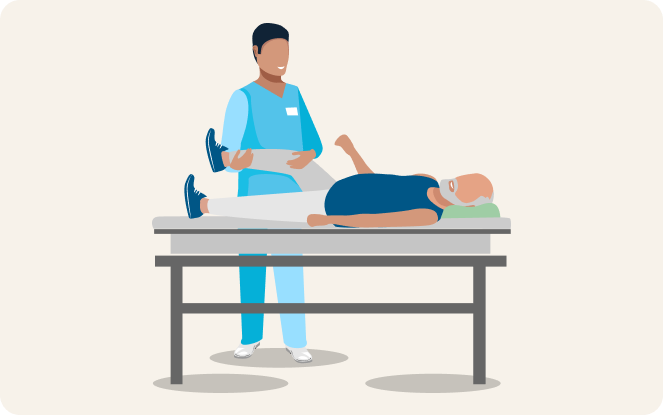
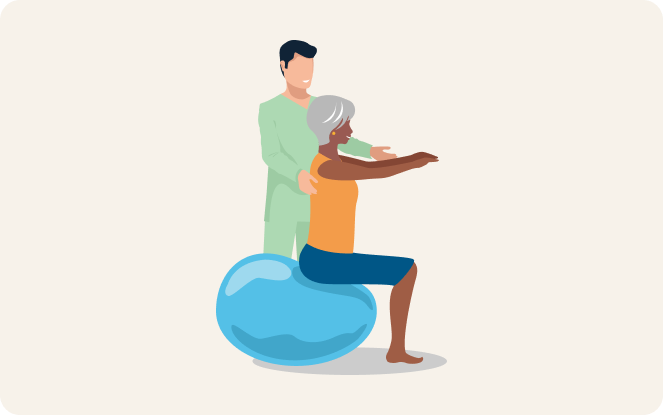
Rehabilitation is an important part of many treatment plans.
Depending on your condition, recovery may involve physiotherapy, strengthening programs, mobility training and support from allied health professionals to help you return to everyday activities as safely as possible.
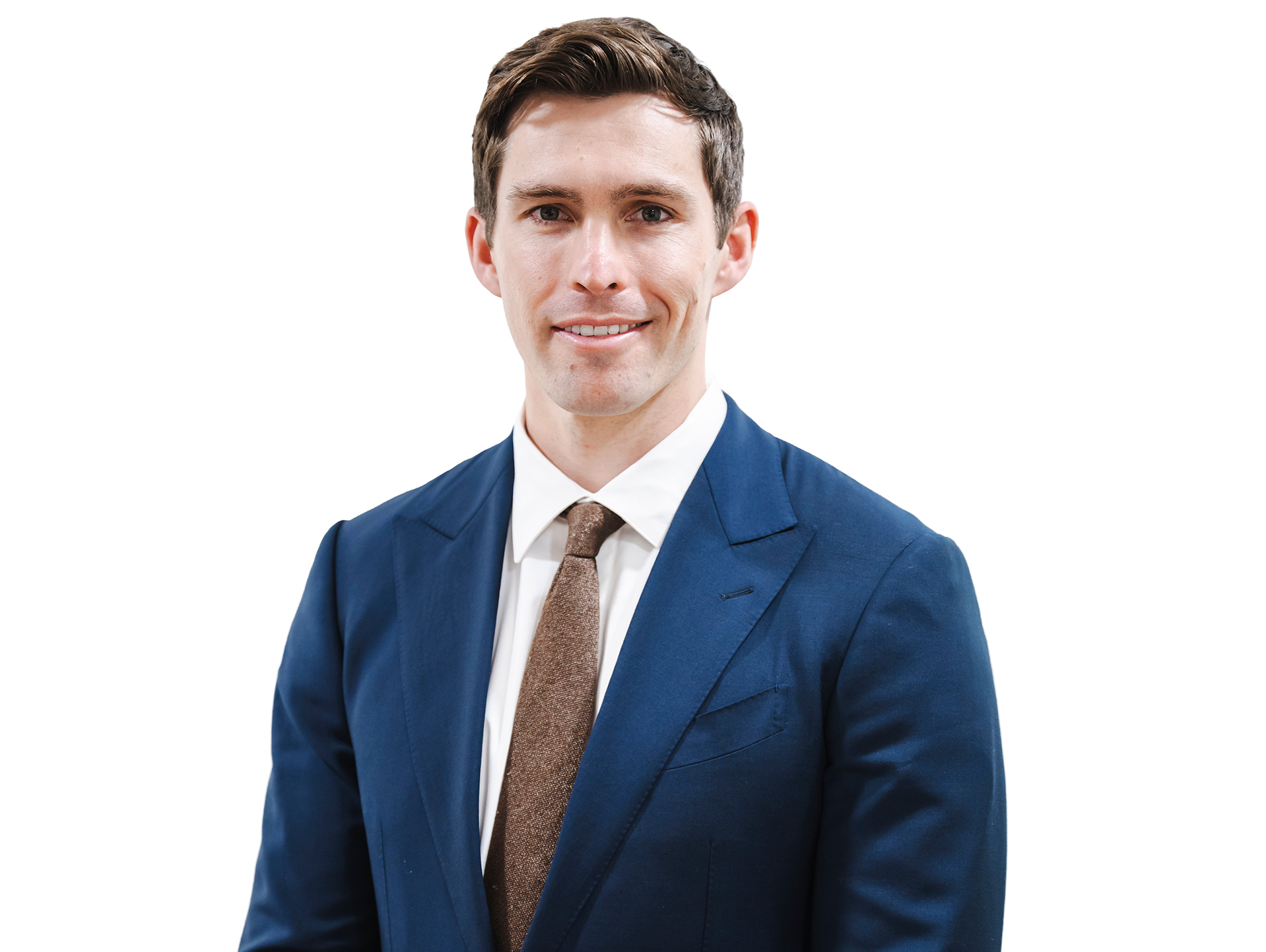
Dr Brady Bonner is a Queensland-trained Orthopaedic Surgeon with a special interest in orthopaedic trauma, hip and knee arthroplasty…
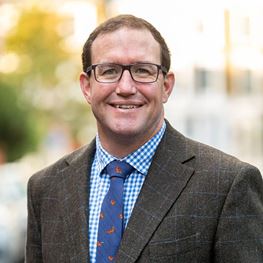
Dr Craig Brownlie is an Australian-trained orthopaedic surgeon with a special interest in shoulder, knee and hip surgery. In his role as…
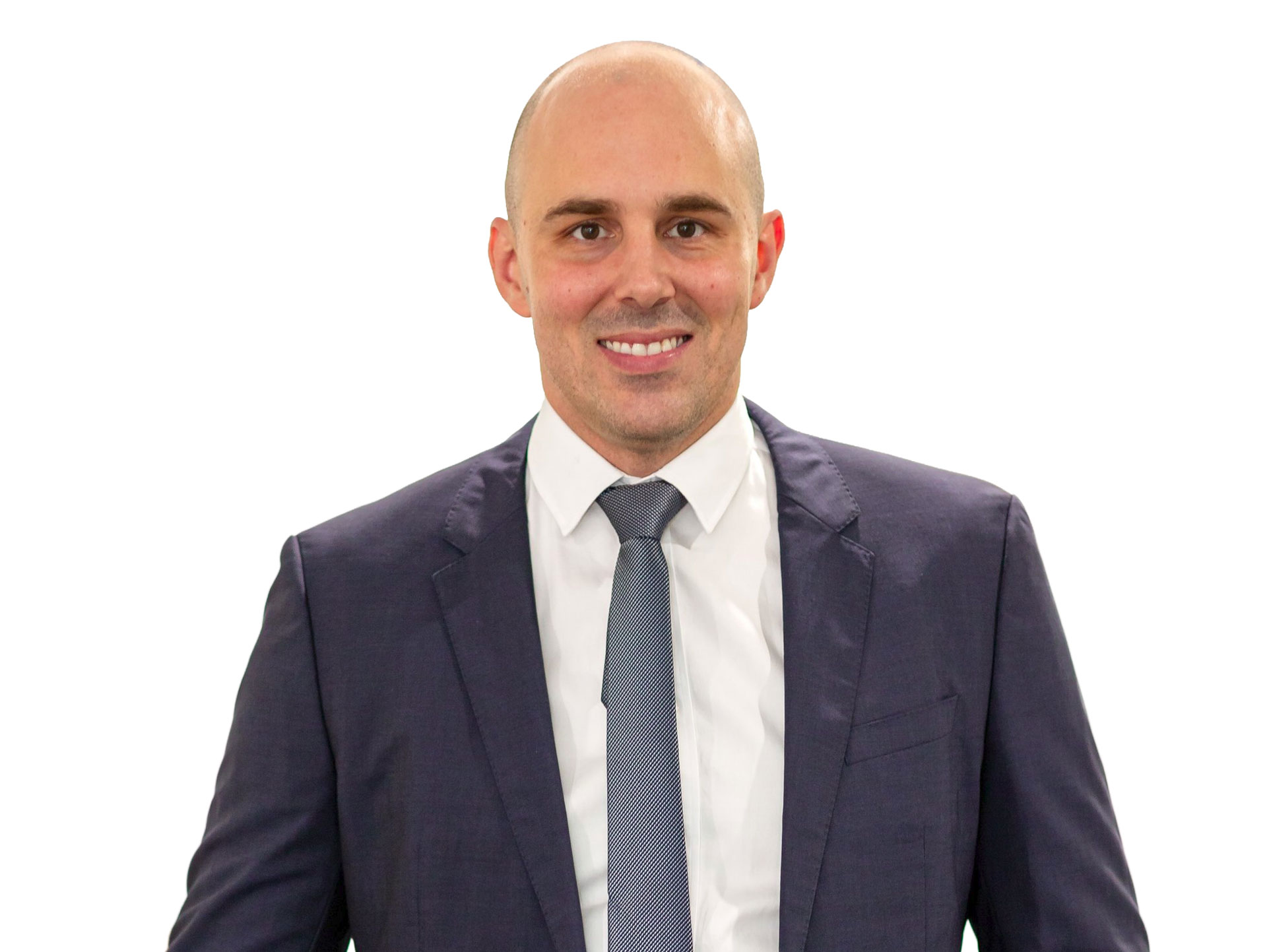
Dr Grant Menegon is a Queensland trained Orthopaedic Surgeon consulting at St Andrew’s Toowoomba Hospital …
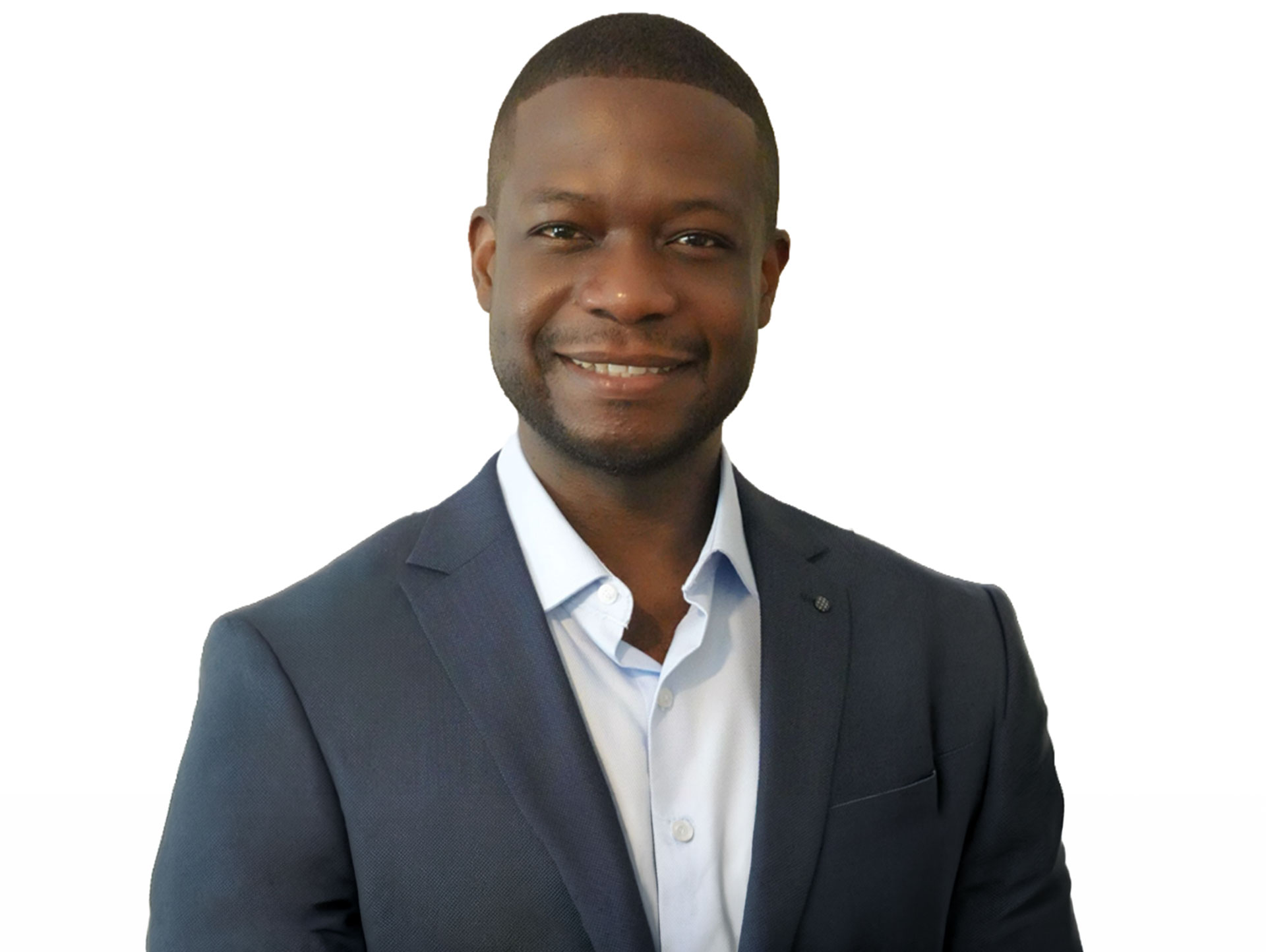
Dr Dolapo Sotade is a Fellowship-trained Orthopaedic Surgeon with a comprehensive practice in hip and knee joint replacement …
If you'd like to see one of our orthopaedic specialists, speak with your GP about a referral. Your GP can discuss your symptoms, treatment history and whether a referral to an orthopaedic specialist may be appropriate.
Slide through to understand your treatment journey from booking your GP in for an initial appointment, all the way through to rehabilitation and ongoing management.


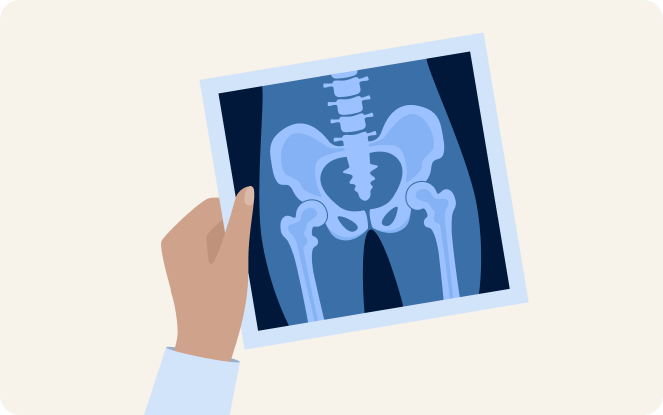
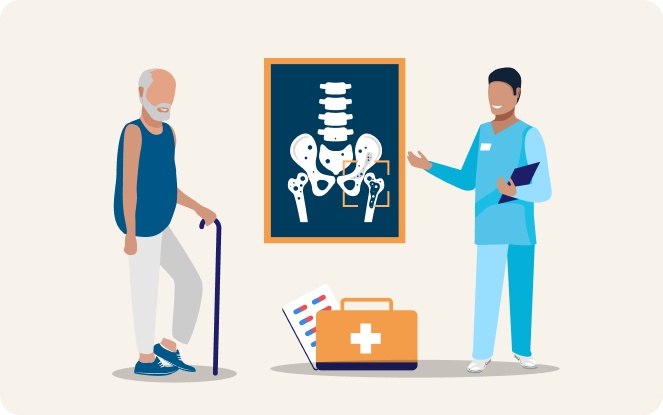
Receiving a referral to an orthopaedic specialist may raise questions for you. Find answers to some commonly asked questions here.