Dr Grant Menegon
Dr Grant Menegon is a Queensland trained Orthopaedic Surgeon consulting at St Andrew’s Toowoomba Hospital …

Your feet and ankles play an important role in everyday life. They support your body weight, help maintain balance, and allow you to walk, run, climb stairs and participate in the activities you enjoy.
Explore orthopaedics > Foot and ankle Pain
Because the foot and ankle experience significant stress throughout daily life, they can be affected by a range of conditions, including arthritis, injuries, tendon disorders and structural problems. These conditions can lead to pain, stiffness, reduced mobility and difficulty participating in work, sport and everyday activities.
This page provides general information about some common causes of foot and ankle pain, how they may be diagnosed, and the treatment options that may be considered by your healthcare team.
Arthritis is one of the leading causes of foot and ankle pain. It occurs when the normally smooth surfaces within a joint become damaged, leading to pain, inflammation and reduced movement.
Osteoarthritis
The most common form of arthritis, involving gradual wear and tear of the joint surfaces.
Rheumatoid Arthritis
An autoimmune condition that causes inflammation of the joint lining and may affect multiple joints throughout the body, including the feet and ankles.
Gout
A form of inflammatory arthritis caused by crystal deposits within the joints.
Psoriatic Arthritis
An inflammatory arthritis associated with psoriasis.
Your GP will discuss your symptoms and examine your feet and ankles. Imaging such as X-rays or MRI scans may be recommended, along with blood tests to investigate underlying conditions.
Many people successfully manage foot and ankle arthritis without surgery. Treatment options may include:

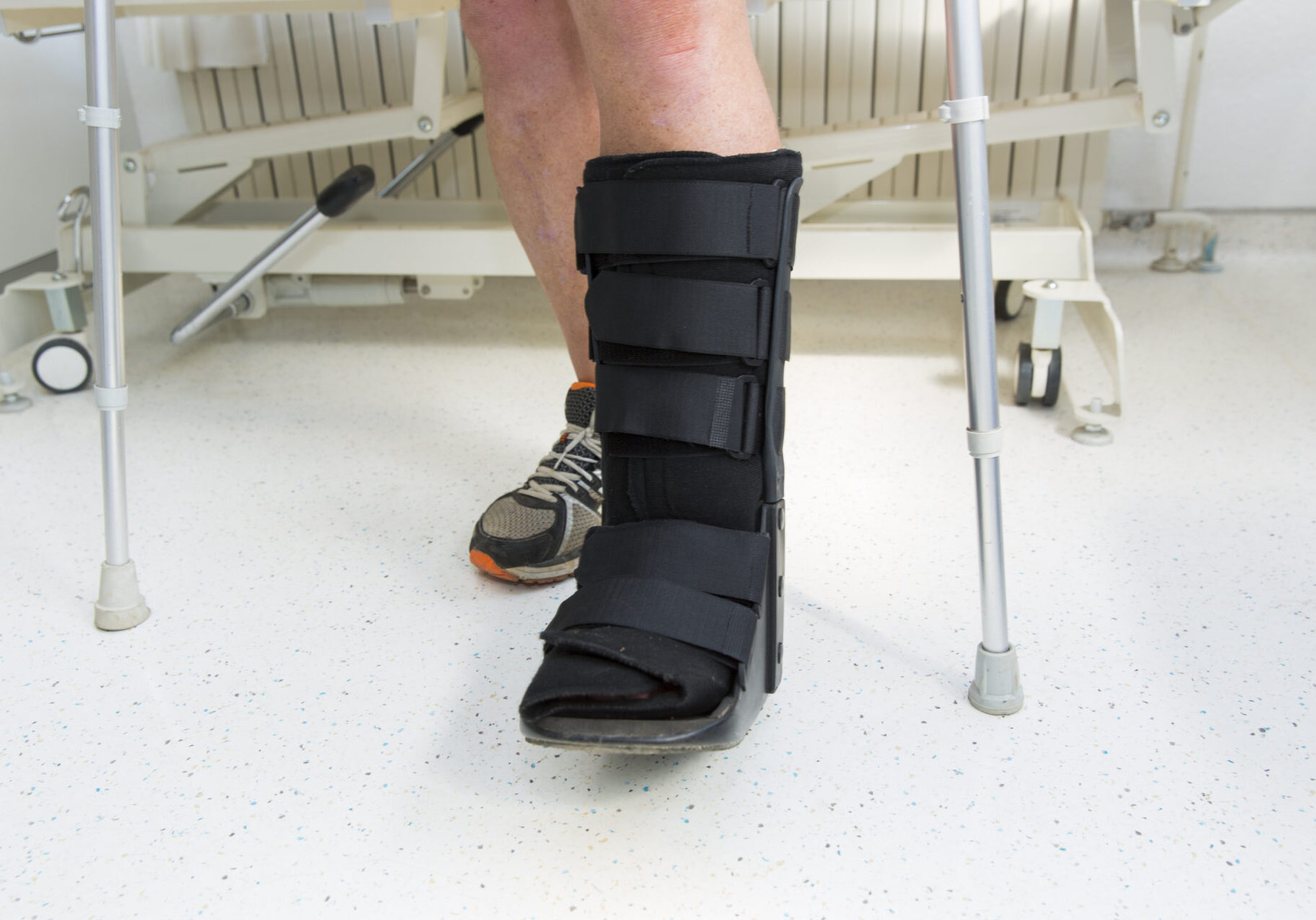
Foot and ankle injuries are common and can range from minor sprains through to fractures and tendon ruptures requiring urgent medical attention.
Fractures
Broken bones resulting from trauma, falls, sporting injuries or repetitive overload.
Ankle Dislocations
Occur when bones move out of their normal alignment and require urgent treatment.
Ligament Injuries & Ankle Sprains
Often caused by rolling the ankle and may range from mild stretching to complete ligament rupture.
Ankle Instability
Can develop when severe ligament injuries fail to heal properly, resulting in ongoing pain and recurrent sprains.
Tendon Injuries
May involve strains, inflammation or tears affecting tendons around the foot and ankle.
Achilles Tendon Rupture
A serious injury involving complete tearing of the Achilles tendon.
Your healthcare professional may perform a physical examination and recommend imaging tests such as X-rays, CT scans or MRI scans to determine the extent of the injury.
Depending on the injury, treatment may include:
Bunions (hallux valgus) are one of the most common structural foot conditions.
A bunion develops when the joint at the base of the big toe gradually shifts out of alignment, creating a visible bump on the side of the foot. Bunions can cause pain, difficulty with footwear and changes in walking patterns.
Your healthcare professional may diagnose a bunion through physical examination and, where required, imaging such as an X-ray.
Many people manage bunions successfully without surgery.
Options may include:

Rehabilitation is an important part of many treatment plans.
Depending on your condition, recovery may involve physiotherapy, strengthening programs, mobility training and support from allied health professionals to help you return to everyday activities as safely as possible.

Dr Grant Menegon is a Queensland trained Orthopaedic Surgeon consulting at St Andrew’s Toowoomba Hospital …

Dr Dolapo Sotade is a Fellowship-trained Orthopaedic Surgeon with a comprehensive practice in hip and knee joint replacement …

Dr Anthony Wilson is an orthopaedic surgeon and a third generation Toowoomba practitioner, who specialises in …
If you'd like to see one of our orthopaedic specialists, speak with your GP about a referral. Your GP can discuss your symptoms, treatment history and whether a referral to an orthopaedic specialist may be appropriate.
Slide through to understand your treatment journey from booking your GP in for an initial appointment, all the way through to rehabilitation and ongoing management.




Receiving a referral to an orthopaedic specialist may raise questions for you. Find answers to some commonly asked questions here.