spine-svg

Back pain and spinal conditions

Back pain is one of the most common health concerns affecting Australians and can have a significant impact on work, exercise, sleep and everyday activities.

Common causes of back pain

Back pain can develop suddenly following an injury or gradually over time. In many cases, symptoms improve with conservative treatment, although some conditions may require ongoing management.

Common symptoms include:
  • Pain in the back that may be sharp, dull, aching or burning
  • Stiffness or reduced movement
  • Pain that interferes with work, exercise or daily activities
  • Changes in posture
  • Pain that radiates into the legs
  • Weakness, numbness or tingling
What can cause back pain?

Back pain can arise from a variety of causes, including:

  • Muscle strain or tension
  • Soft tissue injuries
  • Poor posture or prolonged sitting
  • Overuse injuries
  • Degenerative changes within the spine
  • Arthritis
  • Osteoporosis
  • Spinal injuries
How can I receive a diagnosis for back pain?

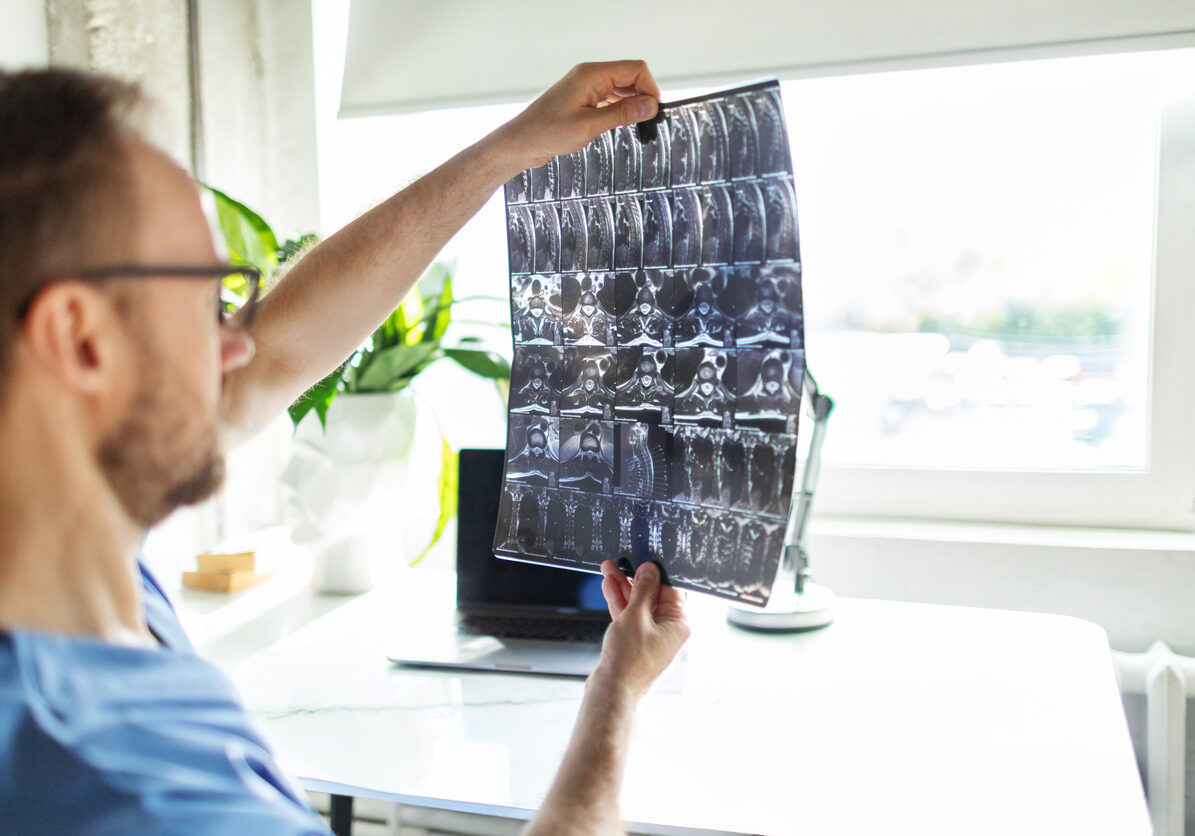
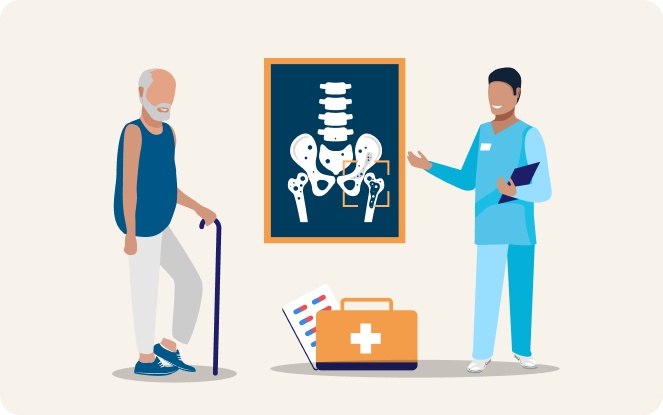
Your  GP will discuss your symptoms with you, examine your spine and assess how your condition is affecting daily life. Depending on the circumstances, imaging such as X-rays, CT scans or MRI scans may be recommended.

They may also refer you to an orthopaedic specialist.

Treatment options

Many cases of back pain can be managed without surgery. Treatment may include:

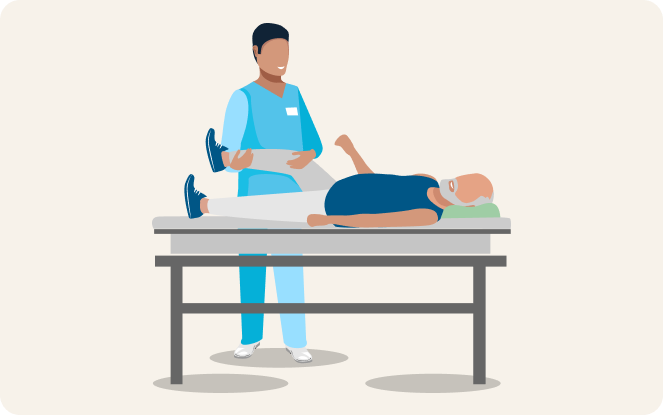
  • Physiotherapy
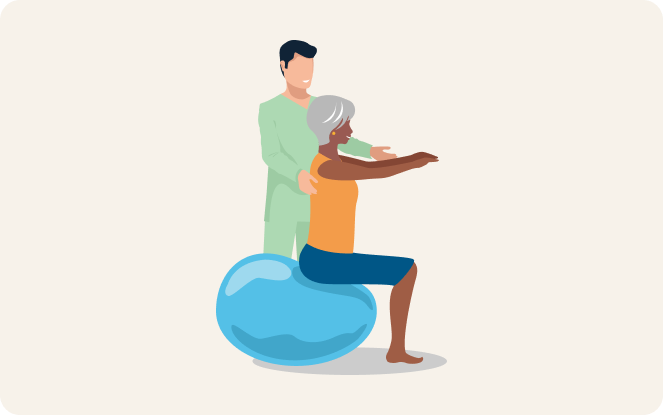
  • Exercise programs
  • Lifestyle modifications
  • Pain management strategies
  • Heat or cold therapy
  • Injections where appropriate
  • Rehabilitation
Unhappy mature woman touching back, feeling pain, sitting on couch in living room, unhealthy middle aged senior female suffering from backache, spinal problem, rubbing stiff muscles or kidney
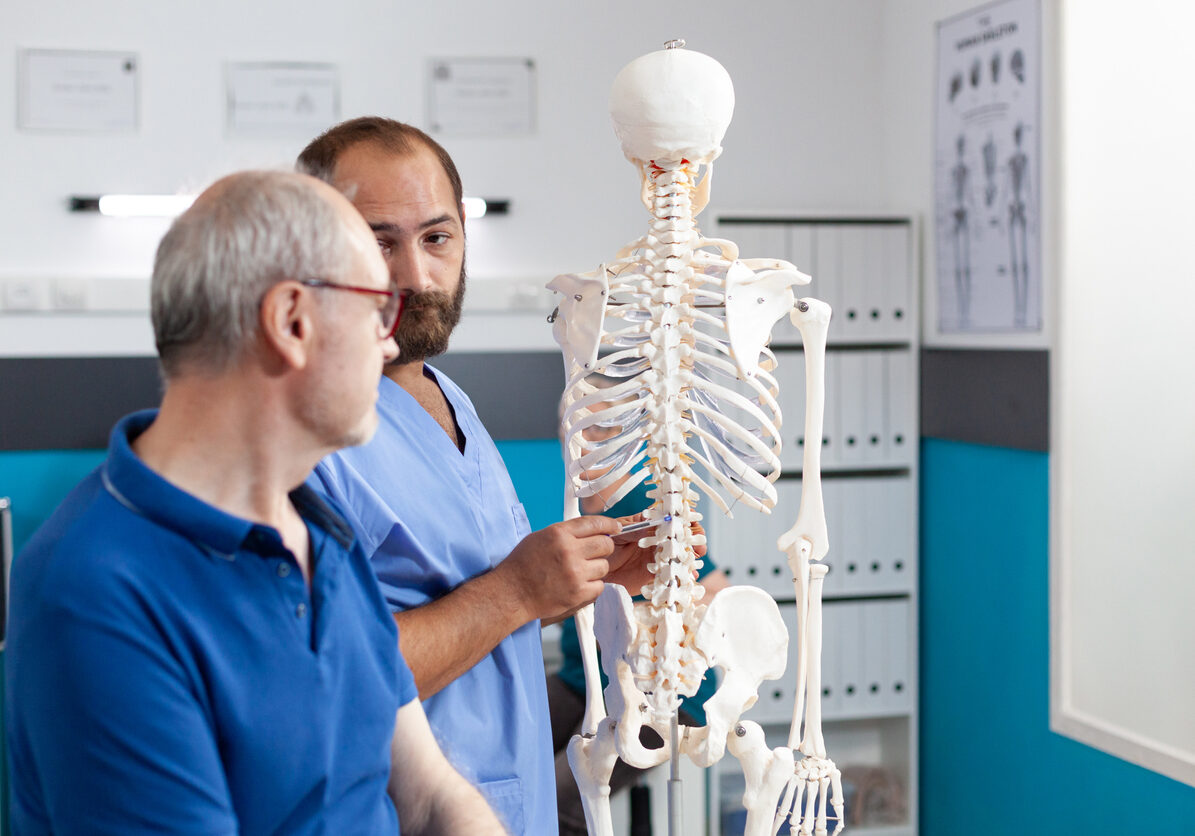
Orthopedist explaining spinal cord on human skeleton to retired patient in physiotherapy office. Chiropractor doing presentation of spine bones and anatomy to old man for osteopathy

Degenerative spinal conditions

As we age, natural changes can occur within the spine that may contribute to pain, stiffness or reduced mobility.

Common spinal conditions
  • Degenerative Disc Disease
    Wear and tear affecting the discs between the vertebrae.
  • Spinal Stenosis
    Narrowing of the spinal canal that may place pressure on the nerves.
  • Arthritis
    The spine can be affected by osteoarthritis, rheumatoid arthritis and other inflammatory conditions.
  • Sciatica
    Pain that radiates down the leg due to irritation or compression of a nerve.
Common symptoms include:
  • Persistent back pain
  • Stiffness
  • Reduced movement
  • Pain radiating into the legs
  • Numbness or tingling
  • Difficulty walking or standing for extended periods
Treatment options

Treatment depends on the condition and severity of symptoms but may include:

  • Physiotherapy
  • Exercise and strengthening programs
  • Medications
  • Lifestyle changes
  • Corticosteroid injections
  • Surgical assessment where appropriate

Spinal injuries and trauma

Spinal injuries can range from minor soft tissue injuries through to fractures and conditions requiring urgent medical attention.

Common spinal injuries:
  • Prolapsed (Herniated) Disc
    Occurs when disc material bulges and places pressure on nearby nerves.
  • Whiplash
    A soft tissue injury commonly associated with motor vehicle accidents.
  • Spinal Fractures
    Breaks in the vertebrae that may result from trauma or conditions such as osteoporosis.
  • Spondylolysis & Spondylolisthesis
    Stress injuries affecting the vertebrae, commonly seen in young athletes.
  • Spinal Cord Injuries
    Serious injuries affecting the nerves within the spinal canal.
Signs you should seek medical advice:
  • Back pain following a fall, accident or sporting injury
  • Difficulty walking
  • Numbness or weakness in the legs
  • Loss of balance
  • Persistent symptoms that are not improving
  • Significant pain affecting daily activities
Treatment options

Treatment depends on the nature and severity of the injury and may include:

  • Rest and activity modification
  • Physiotherapy
  • Pain management
  • Rehabilitation
  • Surgical intervention where appropriate
iStock-2151138995-edited

Surgical treatment for spinal conditions

Most people with back pain will not require surgery.

When symptoms are severe, persistent, or caused by specific structural problems within the spine, surgical treatment may be considered.

Common procedures include:

Decompression Surgery
Reduces pressure on nerves by removing tissue or bone contributing to compression.

Spinal Fusion
Stabilises part of the spine by joining two or more vertebrae together.

Disc Replacement
Replaces a damaged spinal disc with an artificial implant.

Stabilisation Procedures
May be used following certain spinal fractures or traumatic injuries.

Your specialist will discuss the benefits, risks and suitability of surgery based on your individual circumstances.

Rehabilitation and recovery

Rehabilitation is an important part of many treatment plans.

Depending on your condition, recovery may involve physiotherapy, strengthening programs, mobility training and support from allied health professionals to help you return to everyday activities as safely as possible.

Meet our spinal specialists

Dr Joshua Piercey

Dr Joshua Piercey is a specialist Orthopaedic and Spine Surgeon based at St Andrew’s Toowoomba Hospital, a designated Centre …

Dr Dolapo Sotade

Dr Dolapo Sotade is a Fellowship-trained Orthopaedic Surgeon with a comprehensive practice in hip and knee joint replacement …

Dr Leo Zeller

Dr Leo Zeller is a highly experienced orthopaedic surgeon and Toowoomba’s only qualified orthopaedic spine surgeon …

How to access orthopaedic care

If you'd like to see one of our orthopaedic specialists, speak with your GP about a referral. Your GP can discuss your symptoms, treatment history and whether a referral to an orthopaedic specialist may be appropriate.

Your patient journey: from referral to recovery

Slide through to understand your treatment journey from booking your GP in for an initial appointment, all the way through to rehabilitation and ongoing management.
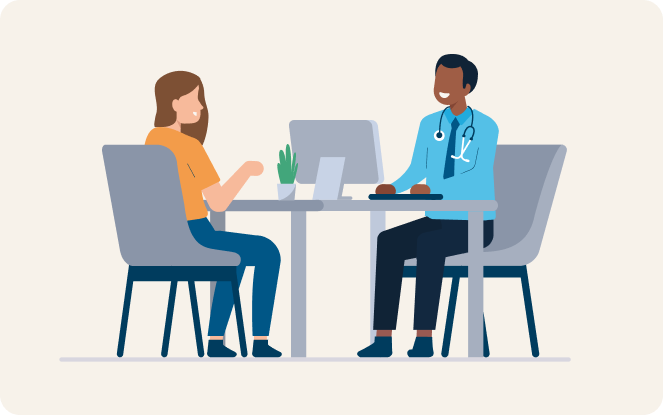

  • 1. Visit your GP for advice

    They may:

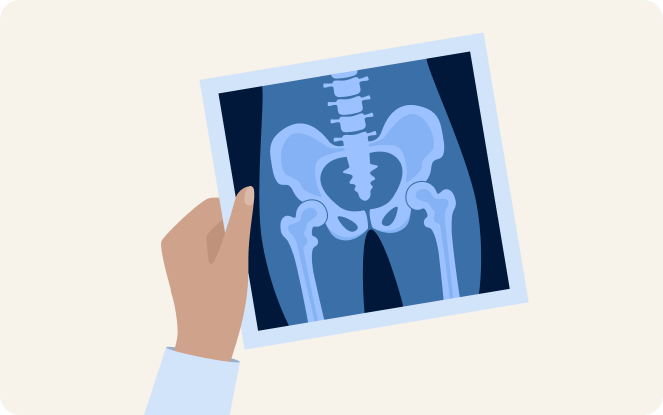
    • send you to get an x-ray
    • discuss possible treatment options
    • give you a referral to see an orthopaedic specialist
  • 2. Book an appointment with your specialist

    If your GP determines that you should consult with a specialist, they will provide you with a referral.

    Once you have a referral, you can book an appointment with the specialist via their reception or booking system.

  • 3. Attend your specialist appointment

    Be prepared for your appointment.

    Bring your referral letter, any imaging reports or x-rays that you’ve already completed and a list of any current medications or health conditions.

  • 4. Receive an assessment and treatment plan

    Your specialist will review your condition and any notes from your GP.

    They may recommend additional tests or develop a treatment plan with you.

  • 5. Surgical and 
non-surgical treatments

    Your specialist may recommend a treatment plan that includes:

    • surgery
    • non-surgical interventions
    • ongoing monitoring and management
    • rehabilitation
  • 6. Continue your recovery
    After treatment, rehabilitation may be recommended to support your recovery.
    A personalised program can help improve mobility, build strength and assist your return to everyday activities.

Back pain FAQs

Receiving a referral to an orthopaedic specialist may raise questions for you. Find answers to some commonly asked questions here.